
Whether you’re setting up a basecamp for the weekend or trekking deep into the backcountry, a quality tarp provides the versatile shelter and weather protection that lets you focus on what matters most: the adventure itself.
Unlike rigid tent structures that limit your setup options, tarps offer endless configuration possibilities You can:
- Cover your sleeping area.
- Construct a full windbreak against harsh elements.
- Create a clean space for cooking, eating, and to organize gear.
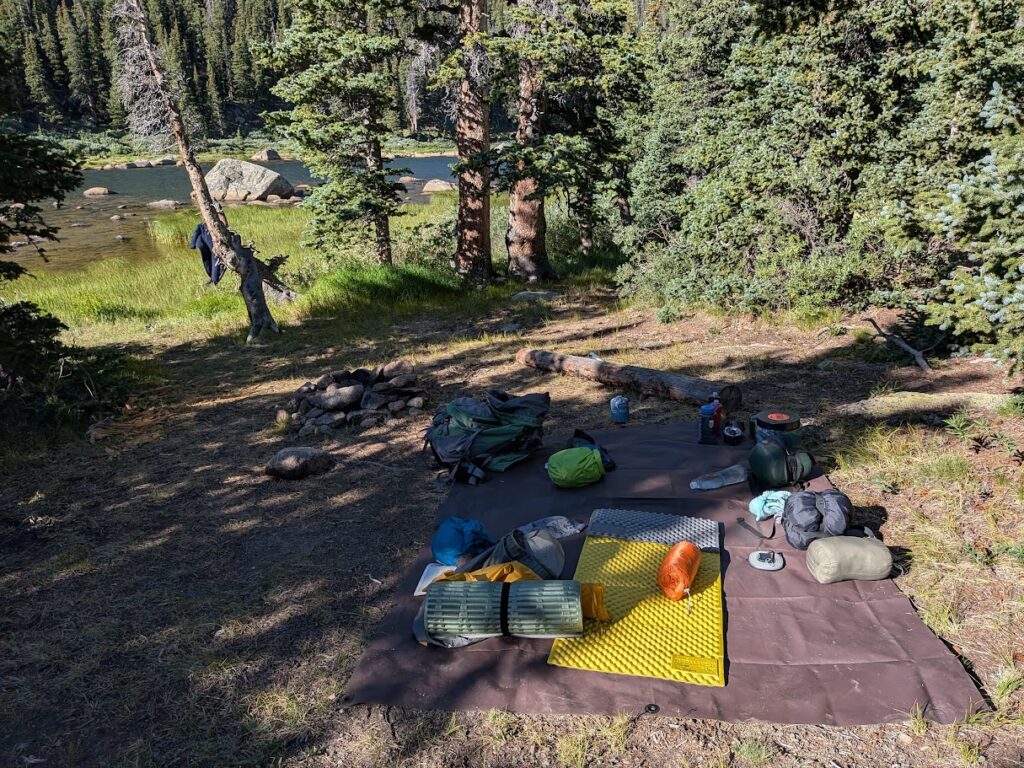
- Provide a dry ground pad so that you can sleep under the stars on clear nights.
- Fashion a comfortable sunshade for those warm afternoons when you want to relax and take in the scenery.
The flexibility of a good tarp means you’re never locked into a single shelter design, adapting instead to whatever nature throws your way. For years, experienced campers have understood that tarps represent some of the most essential gear in their pack.
Modern camping tarps deliver impressive performance without the bulk. Lightweight materials mean you’re not sacrificing valuable pack space or adding unnecessary weight to your load. When the weather turns and rain or snow starts falling, that piece of waterproof fabric becomes your most valuable equipment.
The beauty lies in the simplicity. With just a few attachment points and some basic knots, you can set up a reliable shelter in minutes, even after a long day on the trail.
5 Camping Tarp Applications for the Ideal Shelter, Shade, & Weather Protection
A camping tarp’s versatility makes it one of the most practical pieces of gear you can pack for any outdoor adventure.
While tents serve a single purpose, tarps adapt to whatever challenges the weather and terrain present during your trip. From creating overhead shelter against rain and snow to establishing a protective layer between your gear and the ground, a quality tarp handles multiple roles that would otherwise require carrying several specialized items.
Understanding these applications helps you maximize your tarp’s potential and ensures you’re prepared for changing conditions in nature.
- Quick-Setup Rainfly
String your tarp between two trees or suspend it with trekking poles to create an angled rainfly that sheds water away from your sleeping area. This classic setup takes just minutes to secure and provides reliable overhead protection when storms roll in unexpectedly. The sloped design ensures rain runs off efficiently while giving you a dry space to cook, relax, or wait out the weather. - Windbreak for Exposed Campsites
Position your tarp vertically as a windbreak to block gusts that make exposed campsites uncomfortable or even dangerous. Anchor the bottom edge to the ground with rocks or stakes and secure the top to create a solid barrier against the elements. This configuration is particularly valuable in alpine environments or coastal areas where steady winds can quickly sap your body heat. - Keep Back Dirt and Water With a Ground Cover
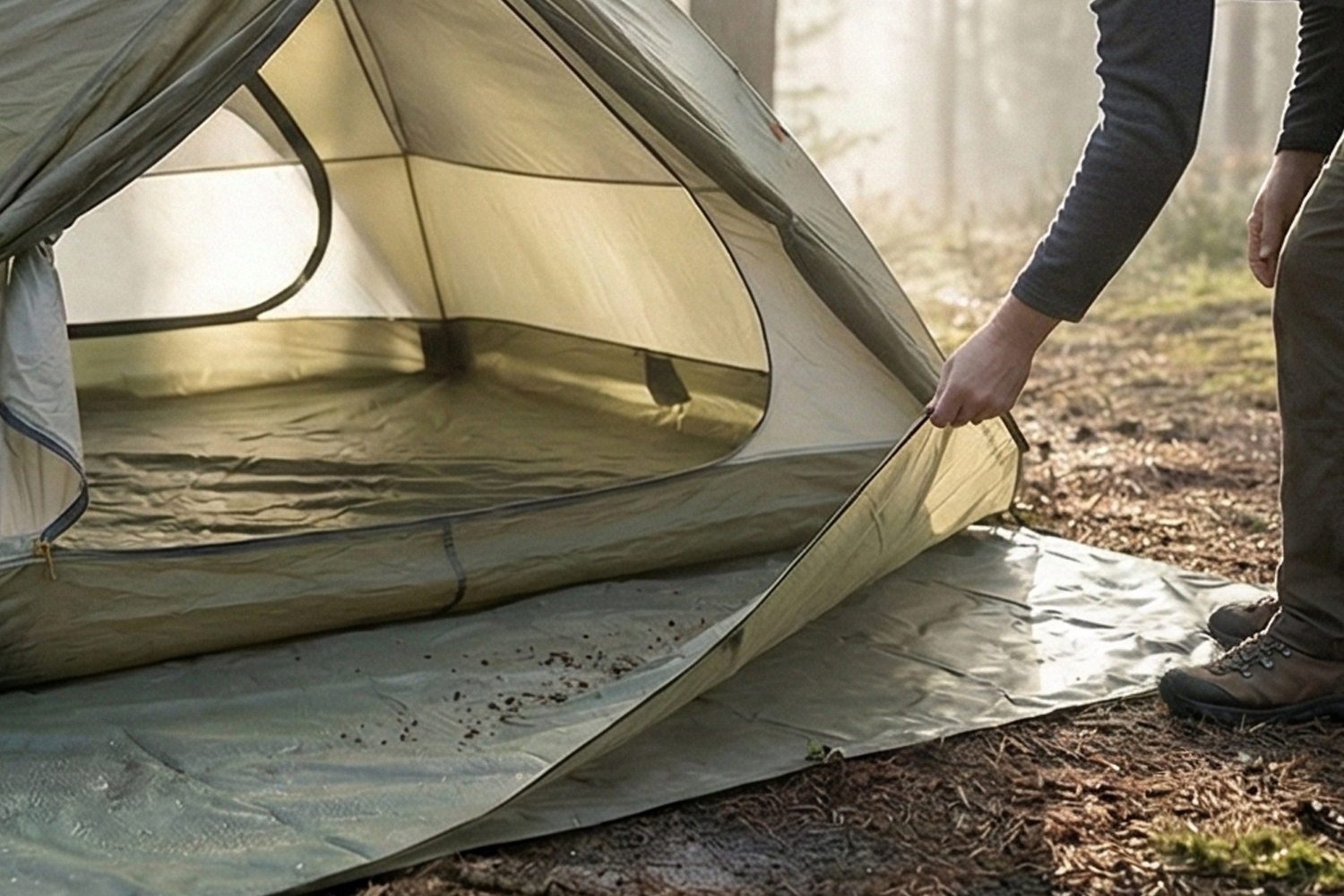
Lay your tarp flat beneath your tent or sleeping bag to establish a waterproof barrier that keeps moisture from seeping up through the ground. This extra layer of protection proves invaluable during spring camping when snowmelt saturates the soil or after heavy rains leave the earth damp. A ground cover also prevents dirt and debris from working into your gear, extending the life of your equipment. - Provider of Shade
Set up your tarp as a sunshade during warm days when direct sunlight makes relaxing at camp impossible. The coverage creates a comfortable retreat where you can escape the heat, prepare meals without squinting, or simply enjoy the outdoors without risking sunburn. This application transforms a basic campsite into a genuinely comfortable basecamp for day adventures. - Cover for Firewood, Furniture, and More
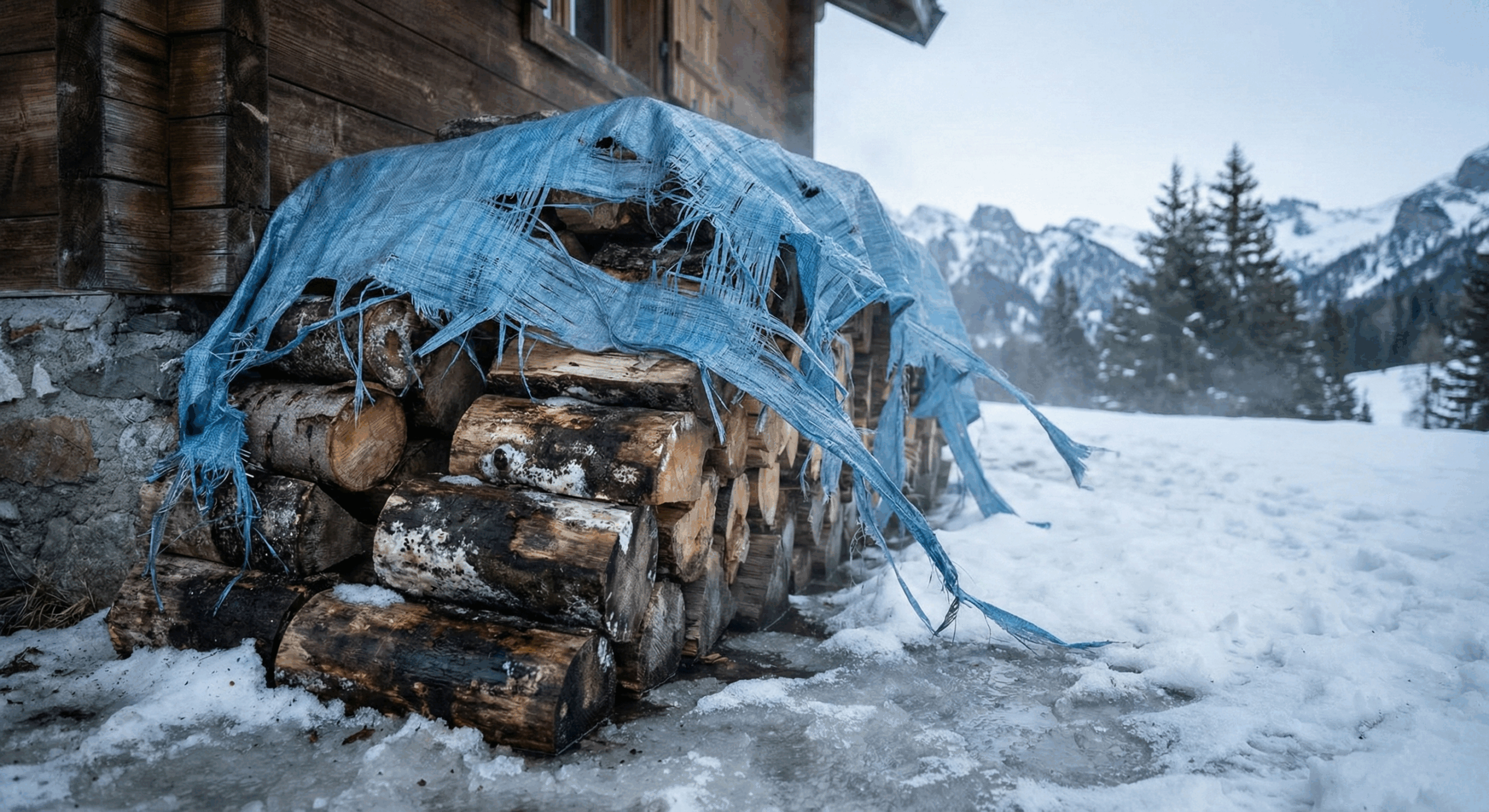
Drape your tarp over firewood, camp chairs, or cooking supplies to keep everything dry and ready to use regardless of weather conditions. A covered woodpile means you’ll have dry kindling available even after days of rain, while protected gear stays cleaner and more organized. This practical application often gets overlooked but makes a significant difference in your overall camping comfort and efficiency.
Choose a brown-colored tarp if you want to blend in seamlessly with the natural elements surrounding you.
4 Crucial Benefits to Look for in High-Performance Camping Tarps

Choosing the right camping tarp means understanding which features truly matter when you’re miles from civilization and the weather takes an unexpected turn. Not all tarps deliver the same level of performance, and the differences become obvious when you’re relying on your shelter during a storm or trying to minimize pack weight on a long trek.
Quality materials and thoughtful design separate adequate tarps from exceptional ones that handle years of hard use across diverse conditions. These key benefits define what makes a camping tarp worth the investment and reliable enough to trust on your adventures.
- Reliable Waterproof Protection
Your tarp needs to shed rain and snow effectively without allowing moisture to penetrate through the material. Look for waterproof construction that maintains its protective barrier even during extended exposure to wet weather.
- Lightweight Strength Without Sacrificing Durability
The best backpacking tarps balance minimal weight with tear-resistant construction that withstands rough handling and harsh elements. This combination ensures your shelter won’t fail when you need it most while keeping your pack manageable.
- Flexible Setup Options for Shelter, Shade, and Windbreaks
Multiple attachment points and versatile dimensions allow you to configure your tarp for different conditions and terrain. This adaptability means one piece of gear serves numerous purposes throughout your camping trip.
- Easy Packability and Efficient Storage
Tarps that fold or roll compactly fit easily into your pack without creating bulky, awkward loads. Efficient storage means you can carry other essential gear without sacrificing space for quality shelter coverage.
Comparison of Materials: How To Pick The Best Tarp For Your Trip
Understanding the material differences between camping tarps helps you make an informed decision based on your specific needs and values. While traditional options like canvas and basic blue tarps have been around for years, newer materials offer significant advantages in performance, longevity, and environmental impact.
This comparison breaks down how different tarp materials stack up across the factors that matter most to outdoor enthusiasts, from UV resistance and waterproof capabilities to long-term sustainability and ease of maintenance in the field.
| Renegade Tarp | Blue Tarp | Canvas | Silicone-Coated Nylon | |
| Durability | ✅ | ❌ | ✅ | ✅ |
| UV Resistance | ✅ | ❌ | ✅ | ❌ |
| Recyclability | ✅ | ❌ | ❌ | ❌ |
| Waterproof | ✅ | ✅ | ❌ (loses water resistance over time) | ✅(silicone coating can delaminate, eliminating waterpoofing) |
| Easy to Clean | ✅ | ❌ | ❌ | ❌ |
| Weight per Sq. ft. | .64 oz | 0.3 oz | 14.5 oz | .13 oz |
Explore the 6 Most Popular Sizes of Camping Tarps
Selecting the right tarp size depends on your specific camping needs, group size, and intended applications at your campsite. Smaller tarps excel at targeted tasks and ultralight backpacking, while larger options provide comprehensive shelter coverage for groups or extended basecamp setups.
Understanding how each size performs in real-world scenarios helps you choose the most practical option for your adventures.
This compact size works perfectly as a clean food prep surface, protective cover for your firepit during unexpected rain, or an entry mat that keeps dirt from tracking into your tent. The lightweight dimensions make it an easy addition to any pack without taking up valuable space.
Ideal for solo campers or minimalist duo setups, this size creates adequate overhead shelter for sleeping areas or establishes a comfortable cooking zone. It provides enough coverage for essential protection without the bulk of larger tarps.
This versatile size accommodates small groups of 2-3 campers with room for gear storage underneath your shelter. The dimensions work well for creating angled rainfly configurations or ground coverage beneath camping equipment.
Perfect for family camping or group adventures, this size offers substantial coverage for dining areas, communal spaces, or protecting multiple tents. The generous dimensions allow for creative shelter configurations in varying terrain and weather conditions.
The square format provides balanced coverage from all angles, making it excellent for basecamp setups or establishing a central gathering area. This size handles windbreak duty effectively while offering enough space for comfortable lounging during the day.
Designed for large groups or extended camping operations, this expansive tarp creates comprehensive shelter for multiple families or serves as a pavilion-style gathering space. The substantial coverage protects significant amounts of firewood, camping furniture, and gear from the elements.
Setting Up a Tarp Structure: 7 Quick Techniques for Dry, Secure Shelter
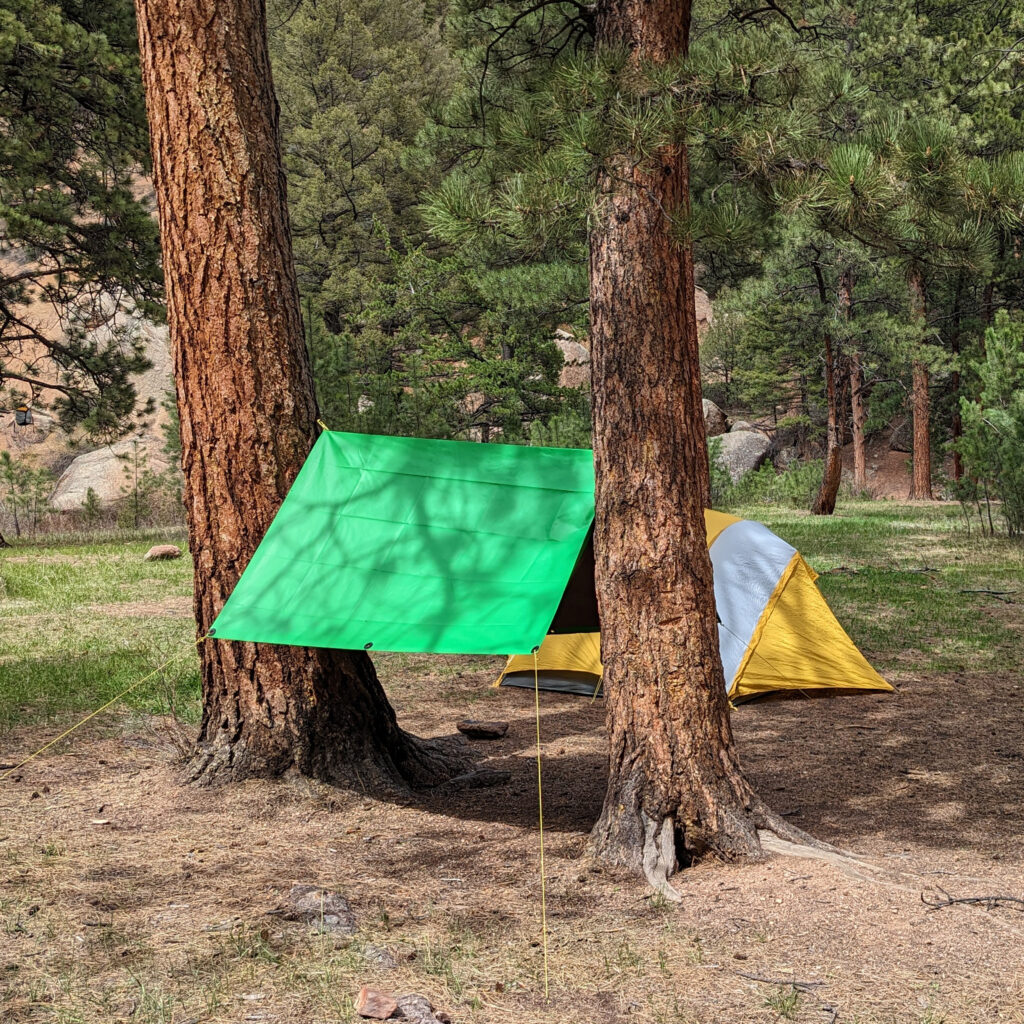
Mastering a few basic tarp configurations ensures you can adapt to any campsite terrain or weather conditions you encounter. Each setup technique offers distinct advantages depending on wind direction, available anchor points, and the type of protection you need from the elements. With practice, these structures become second nature and take just minutes to deploy even after a long day on the trail.
- The A-Frame Pitch
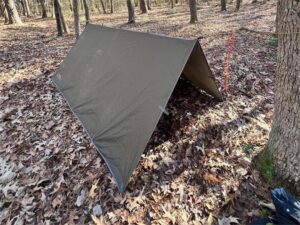
String a ridgeline between two trees or trekking poles and drape your tarp over it to create a classic peaked shelter. Stake out the corners at ground level to form a tent-like structure that sheds rain efficiently and provides solid protection from wind and weather.
- The Lean-To Configuration
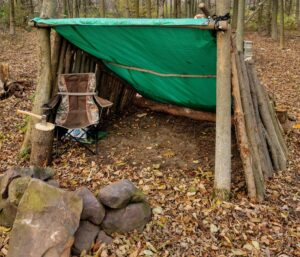
Attach one edge of your tarp high between anchor points and angle it down to the ground, creating an open-front shelter. This setup offers excellent coverage from rain while maintaining visibility and easy access, making it ideal for fair weather or when you want to watch a campfire.
- The Plow Point Setup
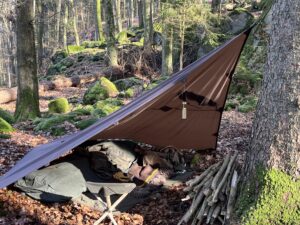
Pull one corner of your tarp up as the high point and stake the opposite corner to the ground, with the remaining edges secured low. This aerodynamic design excels in windy conditions by directing gusts over and around your shelter rather than catching them like a sail.
- The Flat Roof Sunshade
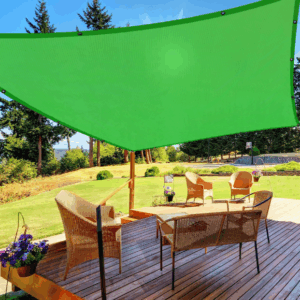
Suspend all four corners at equal height to create a level canopy that provides maximum shade coverage during warm days. This configuration works perfectly for establishing a comfortable basecamp gathering area where you can escape direct sunlight while preparing meals or relaxing.
- The Diamond Fly
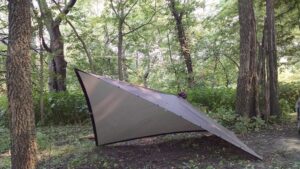
Orient your square tarp as a diamond shape with one corner pulled high and the opposite staked to the ground, while the side points extend outward for stability. This versatile setup provides good headroom at the entrance while offering protection from multiple angles and adapting well to various terrain.
- The C-Fly (or Half-Pyramid)
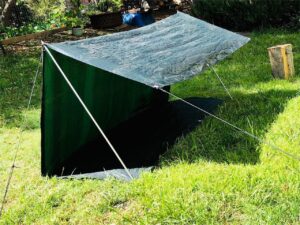
Stake three corners of your tarp to the ground while elevating the fourth corner with a single pole or tree branch to create a pyramid-style shelter with one open side. This configuration provides excellent coverage with minimal gear requirements and works particularly well when combined with natural windbreaks like large rocks or fallen logs.
- The Bathtub Ground Sheet
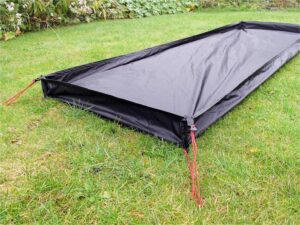
Fold up the edges of your tarp several inches all around to create raised sides that prevent water from running underneath your sleeping area during heavy rain. Secure the folded edges with rocks or stakes to maintain the basin shape, effectively creating a waterproof floor that keeps ground moisture and runoff away from your gear throughout the night.
Eliminate Camping Confusion with These 6 Frequently Asked Tarp Questions

New campers often have similar questions about choosing and using tarps effectively in the backcountry. These answers address the most common concerns about materials, setup strategies, and performance expectations to help you make confident decisions about your shelter system.
- What’s the difference between canvas, blue plastic, and polypropylene camping tarps?
Canvas offers durability and a traditional feel but weighs significantly more and requires treatments for waterproofing. Blue plastic tarps are inexpensive but lack UV resistance and tear easily with repeated use, while modern polypropylene combines lightweight performance with excellent weather protection and long-term durability.
- Can a square tarp really provide enough coverage for overnight shelter?
A square tarp absolutely works for overnight camping when set up properly using techniques like the A-frame or diamond fly configuration. The balanced dimensions allow for versatile pitching options that create adequate headroom and weather protection for solo campers or small groups.
- Do camping tarps need to be 100% waterproof, or just water-resistant?
For reliable shelter, you need genuinely waterproof construction rather than just water-resistant coating that fails during extended rain exposure. A waterproof tarp keeps you and your gear completely dry even during storms, while water-resistant materials eventually allow moisture to penetrate through.
- Is a ground tarp necessary if I already have a tent footprint?
Using a ground tarp beneath your tent adds an extra layer of protection against moisture and extends the life of your tent footprint by preventing abrasion. The additional coverage also creates a clean zone around your tent entrance for storing muddy boots or wet gear.
- Will a camping tarp protect me from sun exposure as well as rain?
Quality tarps provide excellent shade and UV protection when configured as a sunshade or flat roof setup during warm weather. This dual functionality makes tarps valuable year-round, offering cool relief on hot days and dry shelter when storms move through.
- How long should a good camping tarp last with regular use?
A well-constructed tarp from durable materials should provide years of reliable performance even with frequent camping trips and exposure to the elements. Proper care like cleaning after use and storing it dry between adventures extends the lifespan significantly compared to cheaper options that degrade quickly.
Equip Yourself for Many Adventures to Come With Superior Camping Tarps
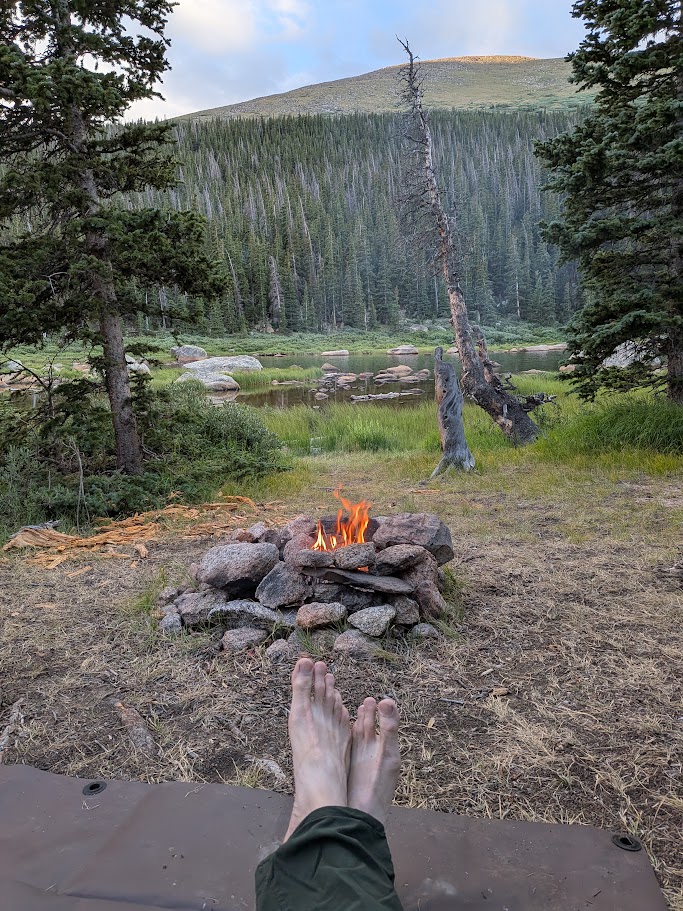
Don’t let inadequate gear limit your outdoor experiences or leave you vulnerable when weather conditions change unexpectedly.
Renegade’s environmentally responsible tarps deliver the waterproof protection, lightweight durability, and versatile performance you need for confident camping in any season. Whether you’re planning a quick weekend escape or an extended backcountry expedition, investing in a quality tarp means you’re prepared for whatever nature presents.
Our polypropylene construction offers superior UV resistance and tear strength compared to traditional options, ensuring your shelter performs reliably trip after trip for years to come.
Browse our selection of camping tarps today and discover why experienced outdoor enthusiasts trust Renegade for gear that enhances adventures without compromising on sustainability or quality.


Interested in Our Fabrics?
Contact Us