What is a drop cloth?
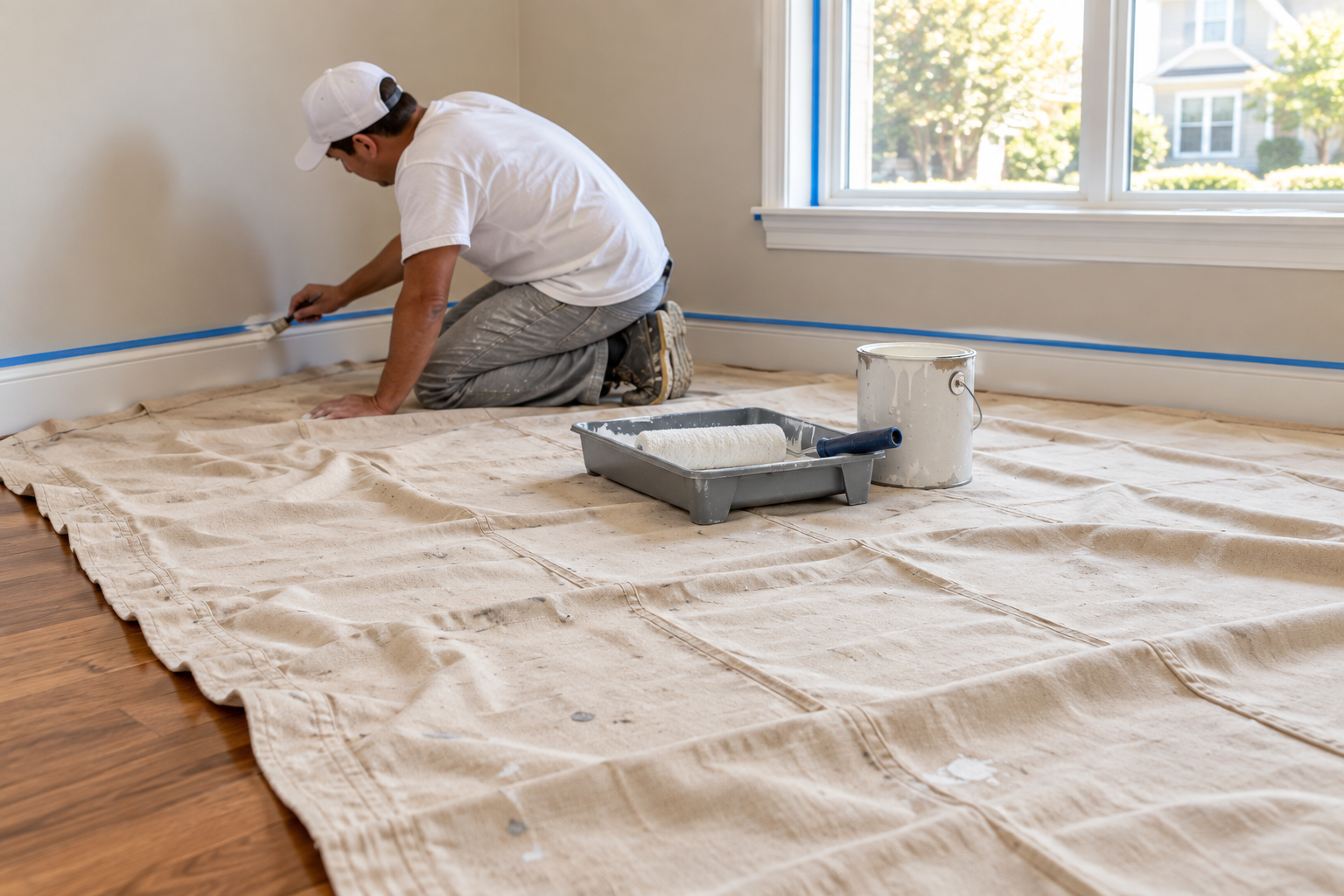
A drop cloth is a protective covering placed over floors, furniture, or other surfaces to catch paint drips, dust, and debris during work. Drop cloths come in several materials, including canvas, plastic, paper, and coated fabrics.
If you have ever thrown an old sheet over a chair before painting, you know the idea. A drop cloth gives you protection chosen for the job, whether that means catching a few drips or keeping a spill off the hardwood.
Canvas is a familiar choice, but it is one of several. Here is how to choose before the mess starts.
What are drop cloths made of?
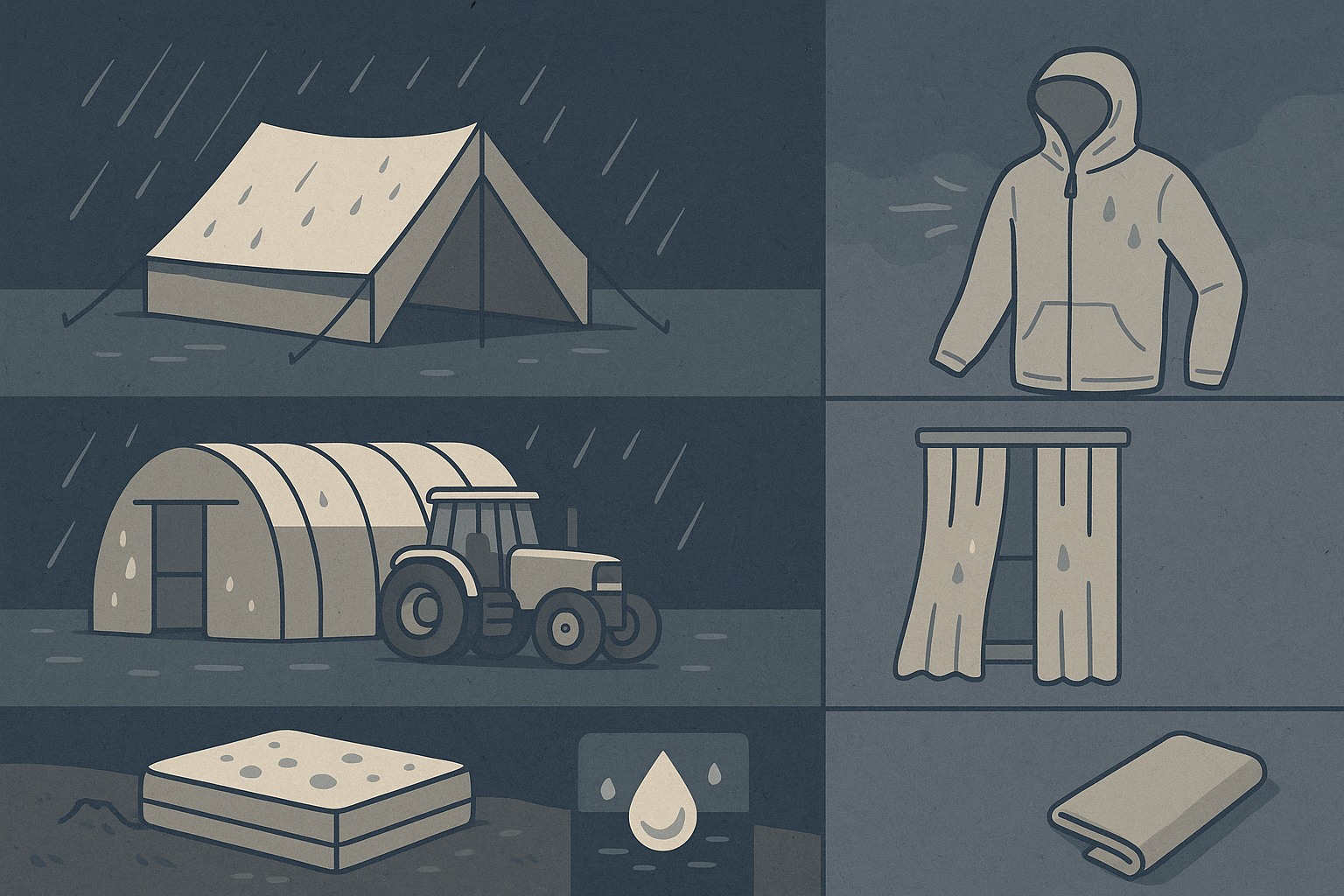
Most drop cloths look pretty similar folded on a shelf. Once you put them to work, the material makes a difference in what they catch, how they clean up, and how often you can use them. Here are the typical options that are readily available.
Canvas
Canvas drop cloths are usually woven from cotton. Painters use them because they catch small drips, drape around a work area, and can be used again.
The catch? Canvas absorbs liquid. A few drips are one thing; a tipped paint can is another. Plain canvas can soak through, and washing and drying it takes time. Larger, heavier cloths also add more to your haul.
Some versions have a leak-resistant layer or a backing for extra grip. Those features matter, so look beyond the word “canvas” on the package.
Plastic
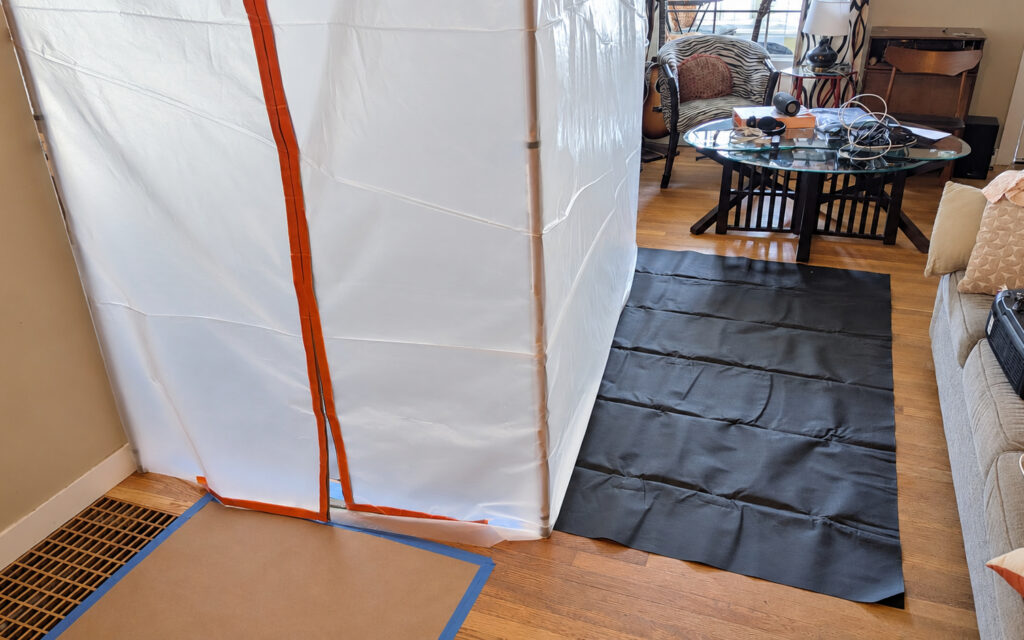
Plastic drop cloths are often polyethylene film. They are handy for draping over furniture and catching dust or overspray.
Thin sheets can tear or shift, though, and spilled liquid stays on top. A sheet that works well over a sofa may be a poor choice for a busy walkway.
Paper and paper-backed coverings
Paper coverings can work for lighter, short-term jobs. Some add a plastic backing to help keep liquid from reaching the surface below.
Check which kind you are buying. Plain paper and a backed covering do different jobs.
Coated canvas and rubber-backed fabrics
These pair fabric with an extra layer for leak resistance, grip, or both. They are worth a look if you like an absorbent top but need more protection underneath.
Check the care label. Some backed cloths need spot cleaning rather than a trip through the washing machine.
Polypropylene-based coated fabric
Polypropylene-based coated fabrics offer another way to protect surfaces and keep using the same covering. Waterproof versions block spills without soaking them into the fabric.
For floors, choose a drop cloth made for the job. The grip and construction matter just as much as the material.
Common questions
Canvas is a popular choice for painting because it absorbs small drips and can be used again. But before you put it down, it helps to know what it can handle. Will a spill soak through? Can you wash it? And how long will it last? Here’s what to know about canvas and when another material might work better.
Is a canvas drop cloth waterproof?
Plain canvas is not waterproof. It catches small drips by absorbing them, but a larger spill can soak through.
Some canvas drop cloths have a backing that blocks leaks. Check the label if spill protection is a priority. Absorbing paint and stopping it from reaching the floor are two different things.
Even with a waterproof covering, wipe up spills promptly. Liquid can travel beyond the edges or get tracked into an uncovered area.
Can you wash canvas drop cloths?
Yes, many plain canvas drop cloths are washable. Check the care label first, especially if yours has a coating or backing.
Remove loose debris before washing, and dry the cloth completely before folding it away. Dried paint may leave stains even after a wash.
Wipe-clean drop cloths skip the laundry step. Clean them as directed, let them dry, and pack them for the next job.
How long do canvas drop cloths last with regular use?
A good canvas drop cloth can last for years with proper care. How many jobs you get out of it depends on the fabric, the work, and how you clean and store it.
Weekend touch-ups are easier on a cloth than daily use on a busy jobsite. Stains are normal, but holes, tears, or a damaged backing can leave the surface below exposed.
Can canvas drop cloths be used for projects other than painting?
Yes. They can catch dust during light remodeling, cover furniture, or protect a work surface during crafts. Match the covering to the mess. Absorbent canvas is not a substitute for waterproof protection when liquids are the main concern.
What’s the difference between a drop cloth, a tarp, and plastic sheeting?
A drop cloth protects surfaces while you work. A tarp usually covers equipment or outdoor materials, while plastic sheeting is often used for masking and draping over furniture.
Their uses overlap, but a waterproof tarp isn’t automatically a good floor covering. Over a sofa, coverage matters. Under your feet, grip and staying in place matter, too.
What makes a drop cloth suitable for use as a vapor barrier?
A vapor barrier needs documented performance showing how much water vapor can pass through it. Blocking a spilled drink does not tell you that. Waterproof and vapor-proof are different properties.
Do not assume a drop cloth, tarp, or thin masking film is suitable simply because it blocks a spill. Choose a product with documented vapor-control performance for the assembly.
A reusable drop cloth for contractors who keep moving
When floor protection goes down every morning, the purchase price is only part of the cost. You also pay for replacements, laundry, and time spent getting everything ready again.
Canvas can earn its keep for years. But if your crew is tired of washing heavy cloths or replacing torn plastic, there is room for a different tool in the truck.
Meet Ready Tread: Rethink floor protection
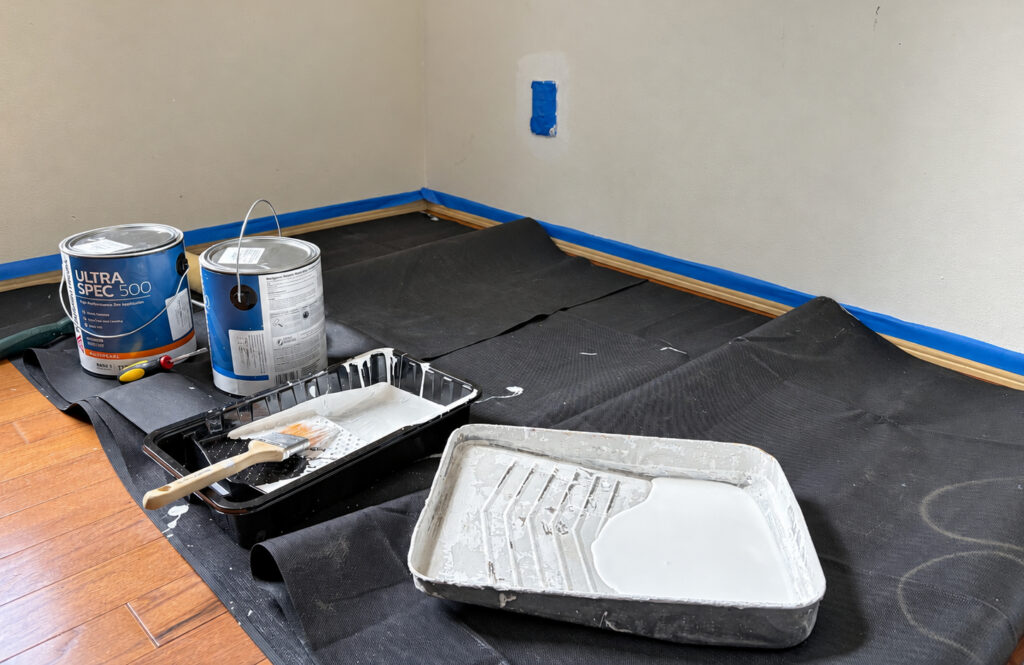
Ready Tread is a longer-lasting alternative to thin disposable plastic, made from 23 mil polypropylene-based fabric. Its seamless, waterproof construction keeps spills from soaking through an intact cloth, and its textured surface helps it stay in place.
Wipe it down or hose it off, let it dry, and bring it to the next job. No laundry cycle required.
It also makes an impression before the first brush hits the wall. One painting contractor who handles about 600 jobs a year told us:
“So far, this shows the customer that we care by putting this down at the entry immediately. We have always done that with canvas which can cause problems with being a bit slippery.”
For that contractor, protecting the entryway was already part of the routine. Ready Tread brought waterproof protection to a step customers could see from the moment the crew arrived.
Which drop cloth size do you need?
Measure the area you need to cover, including where you will move the ladder, set down tools, and walk. A cloth that only covers the spot directly under the roller may leave you short.
A runner fits along a wall or down a hallway. A wider cloth gives you more room around a painting setup. Ready Tread comes in a 15′ × 3.5′ runner and a 10′ × 7′ cloth. Pick the shape that fits your work area so you spend less time moving it around.
Planning a painting project? Our painter’s tarp guide covers choosing protection for different floors, covering furniture, and allowing enough room for overspray.
Drop cloth material comparison
Here is how the usual options compare. Backings and coatings can change what a product does, so check the details before buying.
Put it down. Get to work. Use it again.
Canvas may be familiar, but it isn’t your only option. Ready Tread brings waterproof protection, a textured surface for grip, and durable, lightweight material to the room you’re repainting or the next customer’s home.


Interested in Our Fabrics?
Contact Us