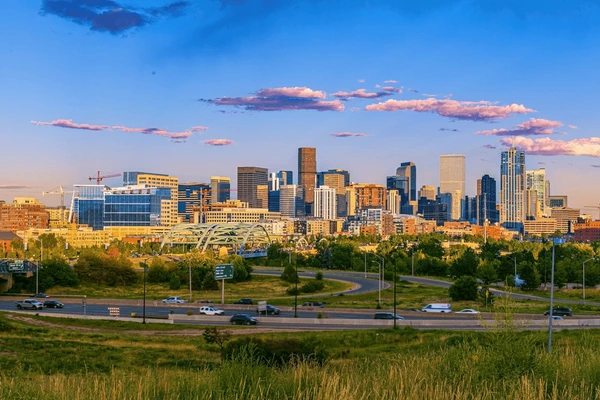
Denver is making significant shifts in how the city handles waste, especially from one of the largest contributors to landfill streams: the construction industry. With the rollout of the Waste No More ordinance, new expectations are setting in for builders, contractors, and developers to rethink how materials are managed on job sites and demolition projects. Below, we explore how sustainable material innovations from Renegade can help the industry thrive in this evolving landscape.
What Is Denver’s Waste No More Ordinance?
Approved by Denver voters as Initiated Ordinance 306 (Waste No More), this sweeping policy aims to dramatically increase recycling, composting, and diversion of waste from landfills across the city. The ordinance will require businesses, multifamily buildings, events, and importantly — construction and demolition (C&D) projects — to adopt new waste reduction practices under enforceable rules beginning in September 2026.
The heart of Waste No More is to shift Denver toward a circular economy model where materials are reused, recycled, and kept in productive use instead of piling up in landfills. Under Waste No More, Denver construction firms will need to change their waste management strategies.
Enter Renegade: Sustainable Products for Modern Builds
Renegade Plastics offers several off-the-shelf solutions for construction projects to reduce their landfill waste and comply with the Waste No More ordinance:
- Construction-grade tarps that can be recycled locally at their end of life. Our tarps are designed to replace PE tarps or 10 oz vinyl tarps.
- Anti-slip drop cloths that have all the advantages of both canvas and plastic sheeting.
- Reinforced clear plastic sheeting designed for the harsh weather conditions of Colorado and with the ability to recycle locally.
- Custom tarp and textile solutions in a variety of weights and sizes. We have products that can replace 10 oz vinyl, 12 oz vinyl, 14 oz vinyl, 16 oz vinyl, and 18 oz vinyl.
Why Go Renegade?
Renegade Plastics is a Colorado-based company with headquarters in Golden, CO, an R&D facility in downtown Denver, and distribution in Green Bay, WI. We have a corporate mission centered on building a circular economy, where industrial fabrics are designed and recycled back into new material streams instead of becoming landfill waste.
Notably, Renegade’s efforts are recognized regionally: the company was named a Colorado Company to watch for 2026 for building the circular economy and creating jobs in Colorado.
Adopting Renegade’s materials for construction has additional advantages:
- Reduce Waste at the Source: Using long-lasting, reusable construction fabrics decreases the volume of disposable material entering the waste stream.
- Eliminate Toxic Additives: Renegade products are free of intentionally added PFAS, free of lead, free of phthalates, and free of vinyl chloride.
- Better for workers: Renegade’s strength to weight ratio is superior compared to PVC vinyl textiles. That means installation is easier and reduces labor costs.
- Reduce costs: Renegade’s reinforced plastic sheeting lasts on average 3-6 times longer compared to polyethylene sheeting, reducing your operational costs over the next 5 years.
- Align With Sustainability Goals: Sustainable material choices help meet not only regulatory mandates but also corporate Environmental, Social, and Governance (ESG) commitments that many firms are now prioritizing.
Conclusion
Denver’s Waste No More initiative represents a shift toward resource recovery, accountability, and circular material flows, not only for everyday recycling. but for the construction industry’s most challenging waste streams. As builders and developers prepare for these changes, material choices will make a difference.
Renegade offers off-the-shelf, ready to implement, sustainable alternatives that help reduce waste, improve on-site performance, and support long-term environmental goals. By embracing sustainable products and practices now, the construction industry can lead Denver into a future where waste is minimized, materials stay in use longer, and every project contributes to a healthier, more resilient city.


Interested in Our Fabrics?
Contact Us