Switching from PVC to Polypropylene-based Textiles
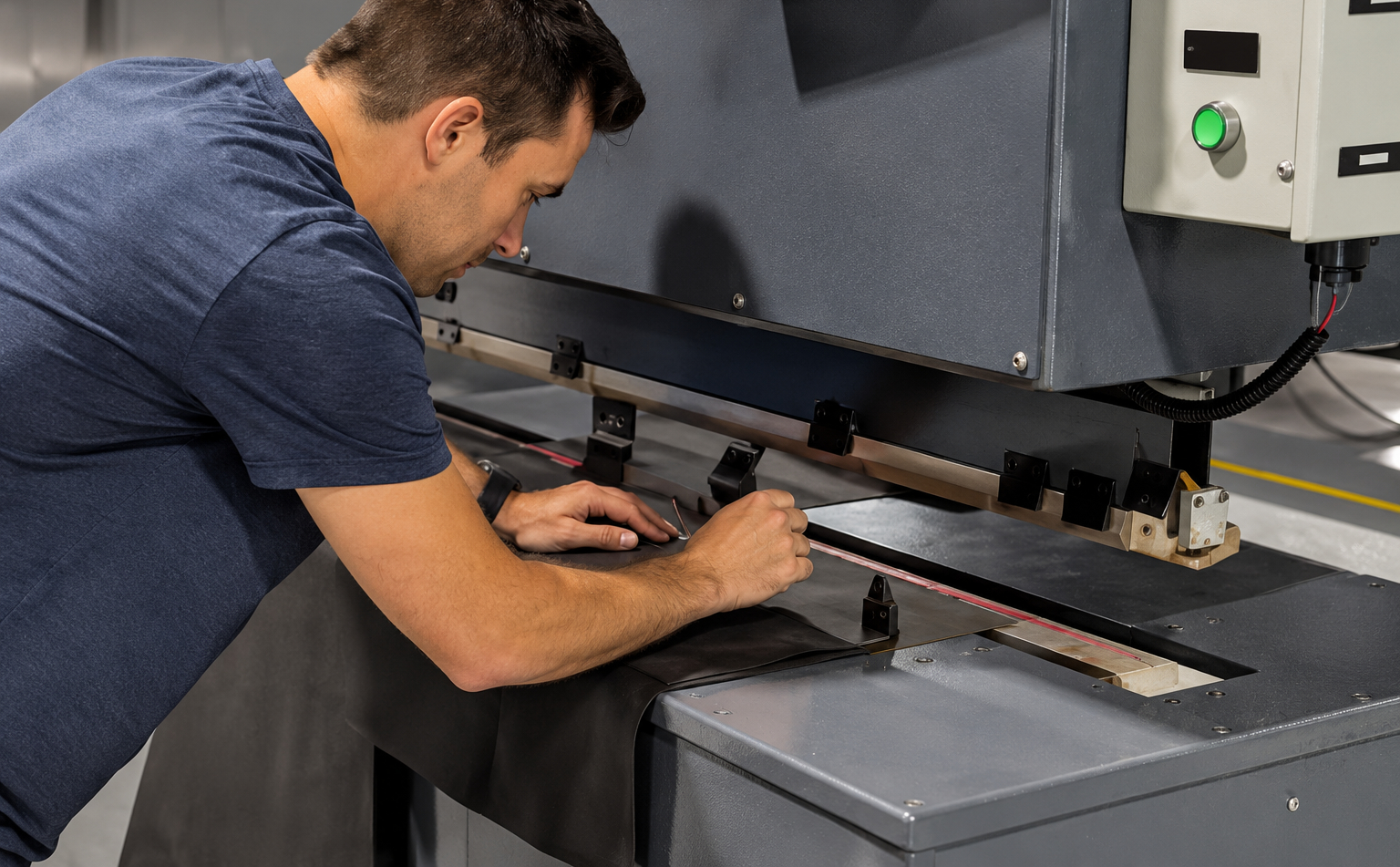
If your shop welds PVC fabric with hot air or hot wedge equipment, you may be able to use your existing machine with Renegade’s polypropylene-based textiles. The material needs a different welding setup, and conventional RF welding is not compatible with Renegade’s PP-based fabrics. Operators will need to learn the new settings and seam checks, but they may not need to learn a completely new process.
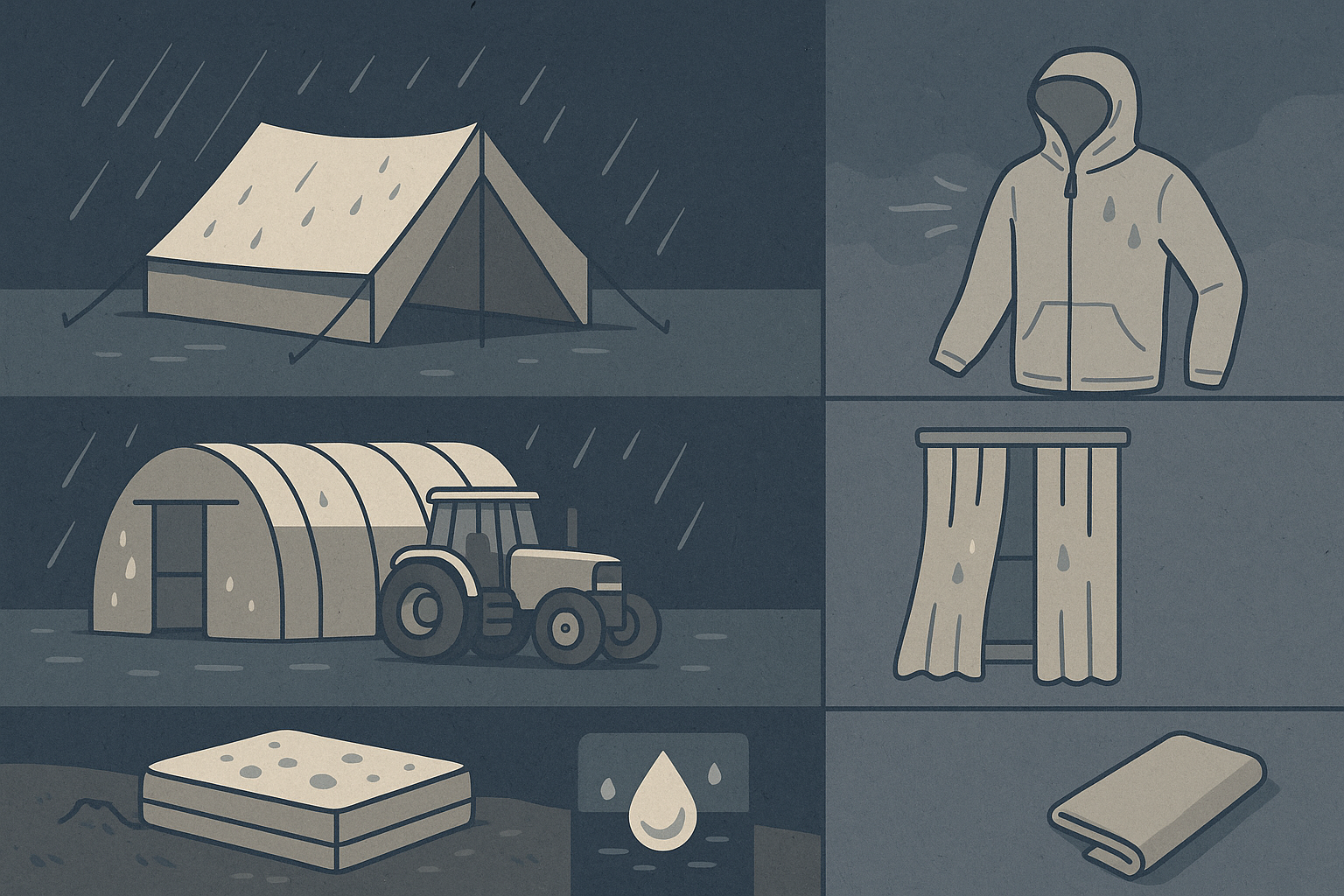
PVC has been a common choice for tarps, awnings, truck covers, tents, banners, and containment systems. Its welding methods and shop-floor practices are familiar to many fabricators. But changing materials means changing more than the roll on the table. Heat, speed, pressure, attachments, and operator habits all affect the finished seam.
Here’s what to know before you make the switch.
What’s the same, and what changes?
Many shops can keep using hot air or hot wedge equipment when they move from PVC to Renegade’s polypropylene-based textiles. The machine may stay. The settings, components, and operator process need to be reviewed for the new material.
Can I use my PVC welding equipment for polypropylene?
Possibly. Existing hot air or hot wedge equipment may work with Renegade fabric, but a machine that welds PVC will not automatically be dialed in for PP. You’ll need to identify a suitable welding window for the specific fabric and machine, then confirm the seam through test welds.
If your shop relies on RF welding, you will need another process for Renegade’s polypropylene-based fabrics. A machine supplier or Renegade’s technical team can help you determine whether another existing machine is suitable or whether you need to evaluate a different setup.
Why Can’t Polypropylene Be RF Welded?
Conventional RF welding generates heat by applying an electromagnetic field to polar molecules. PVC responds to that field, which is why RF welding is widely used for PVC products. Polypropylene is nonpolar and does not heat sufficiently in a conventional RF field to form a weld.
That means Renegade’s polypropylene-based fabrics cannot be welded with conventional RF equipment. If your production line is RF-only, talk with your equipment supplier and Renegade about evaluating another joining method before changing your production plan.
What Temperature Should I Use to Weld Polypropylene Fabric?
There is no single temperature setting that works for every polypropylene-based fabric, welding machine, and seam. A machine’s displayed temperature may not match the temperature at the fabric’s weld interface. Fabric construction, nozzle or wedge, airflow, speed, pressure, and shop conditions all affect the result.
Establish the right setup through test welds on your actual material and machine. Change one setting at a time, record the results, and check the cooled seam with a peel test or another agreed quality check. Do not assume PP always needs less heat or a faster roller speed than PVC. If you see smoke or notice a shiny, brittle, or distorted seam, stop and review the material and process conditions. Smoke is not proof of a good weld.
One more shop-floor benefit: Renegade is confident its polypropylene-based textiles release no VOCs during thermal welding, supporting a better working environment. In a hot-air welding study, total VOC levels while welding the tested PPI-270 black matte fabric were not statistically different from background levels.
Troubleshooting Common Polypropylene Weld Problems
The seam buckles or looks shiny
Excessive heat can soften or distort the material, leaving a shiny or buckled seam. Reduce the heat slightly, then test again. If the problem continues, review speed, airflow, pressure, and material handling rather than changing several settings at once.
The weld separates easily
A weak seam can result from too little heat, insufficient pressure, a speed that is too high, poor contact, or another setup issue. Check that the material is aligned and the heating element or wedge is making consistent contact. Adjust one variable at a time and test the cooled seam before returning to production.
Webbing, hook and loop, or other components will not bond
PVC-compatible components may not bond to polypropylene-based fabric. The component material and attachment method need to be compatible with the fabric. Renegade can help you evaluate options for webbing, hook and loop, and other attachments.
Webbing, Hook and Loop, Seam Tape, and Adhesives
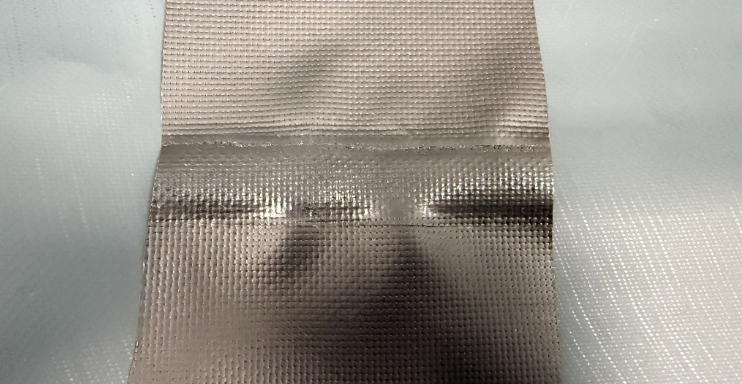
Switching the main fabric does not automatically switch the materials used to finish the product. PVC webbing, vinyl seam tape, and polyester components may not fuse directly to Renegade’s polypropylene-based fabrics.
Before buying components for a new build, confirm that the component and joining method work with the fabric. Ask your current supplier about polypropylene-compatible options, or contact Renegade for help evaluating components and suppliers.
Most vinyl or polyester seam tapes will not weld directly to PP-based fabric. Adding a different polymer can also make the finished product harder to route through polypropylene recycling streams. For applications that need bonding rather than welding, see our adhesives and bonding guidance.
The right material combination depends on the application, seam design, and performance requirements. Idaho Sewing for Sports worked with Renegade to develop a ski-lift seat using polypropylene-compatible webbing and thread. Read the Idaho Sewing for Sports case study to see how the fabric and components came together in a finished product.
Do Operators Need Retraining to Switch from PVC to PP?
Your team’s existing welding experience still matters. Operators already understand machine setup, material handling, and seam inspection. They will need to learn the new fabric’s settings, recognize a good PP weld, and follow the updated component and testing process.
Plan time for trial welds, operator practice, and a documented setup for each machine and fabric. Keep samples of approved seams and record the settings that produced them. That gives the team a repeatable reference when a new roll, machine, or shop condition changes the result.
Equipment tested with Renegade fabrics
Renegade has tested and recommends select Miller Weldmaster and Leister equipment, along with ultrasonic, impulse, and pulse packet welders. The right setup depends on the fabric, seam design, and application. For more on Renegade’s materials and fabrication methods, visit our technology page or contact our team.
Test the Switch Before You Scale
Moving from PVC to polypropylene-based fabric does not always mean replacing your welding equipment. It does mean confirming the process with your material, machine, and operators before you put a new product into production.
Renegade’s Prototype-to-Production Credit Program gives your team material and technical support to build, test, and validate a new application before scaling. We can help you evaluate fabric, welding, components, and performance requirements along the way.
Ready to test a switch from PVC to PP? Talk with Renegade about your application.


Interested in Our Fabrics?
Contact Us