

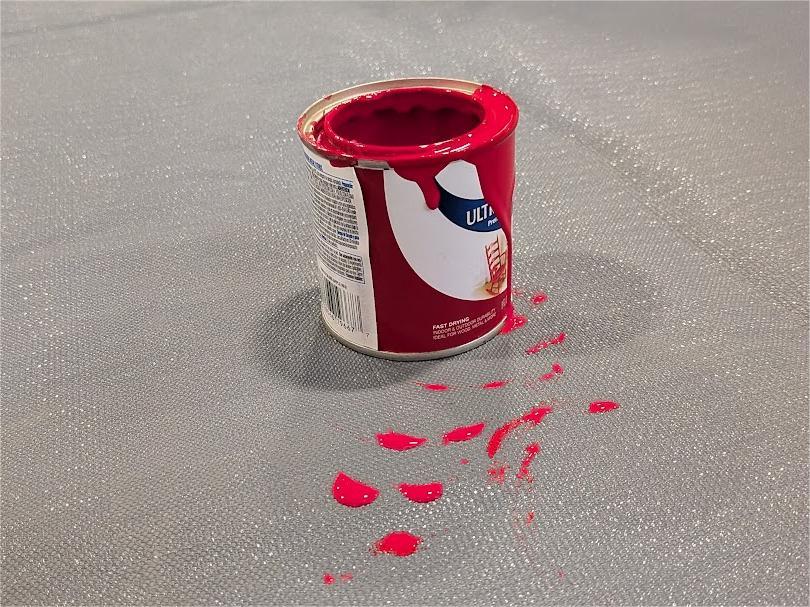
Every painting project starts with the same critical decision:how to protect your floors, furniture, and surfaces from inevitable drips and spills. Professional painters understand that choosing the right drop cloth can mean the difference between a smooth job and costly cleanup. Whether you’re tackling a single room refresh or managing multiple commercial projects, the tarp you select directly impacts both your efficiency and your bottom line.
Traditional canvas drop cloths have long been the go-to choice for their absorbent qualities, but they come with significant drawbacks:
- They’re heavy to transport
- They require washing between uses
- They deteriorate quickly under heavy use
- Uncoated canvas tarps can let paint and other liquids seep through, staining what you’re trying to protect!
Plastic alternatives often tear easily, creating more mess than they prevent. Modern painters need drop cloth materials that can be reused multiple times without compromising protection, saving both money and time across numerous jobs.
The ideal painter’s tarp balances durability with practicality.
It should be heavy duty enough to catch paint spills without tearing, yet light enough to move efficiently between job sites. Professional-grade options are designed to withstand the demands of daily use while ensuring surfaces remain completely protected.
When you can trust your tarp to perform job after job, you’re protecting your reputation and your profit margins just as much as you’re protecting the floors.
Analyzing Tarp Materials: How the 5 Popular Picks Compare for Painting Projects
Selecting the right drop cloth material determines how well your surfaces stay protected and how long your investment lasts. Each material offers distinct advantages depending on your specific painting projects, budget, and long-term needs. Understanding these differences helps painters make informed decisions that improve efficiency while reducing waste and unnecessary expenses.
- Canvas
Canvas drop cloths remain popular among professional painters for their paint-absorbing properties and substantial weight that keeps them in place. However, they’re heavy to transport, require washing between uses, and come with a higher initial purchase price than synthetic alternatives.
- Polypropylene Drop Cloth
Polypropylene tarps are designed to be reusable, durable, and remarkably practical for painters working across various environments. This synthetic material resists paint penetration while being significantly lighter than canvas, and can be quickly cleaned with just a hose between jobs.
- Plastic Sheeting (Polyethylene)
Standard plastic sheeting offers the most affordable option for protecting surfaces during painting projects. While inexpensive, these thin blue tarps tear easily and can’t be reused multiple times, making them ideal only for single-use applications or light-duty jobs.
- Rubberized or Vinyl-Coated Tarps
Rubberized and vinyl-coated drop cloths provide waterproof protection with added grip to prevent sliding on smooth floors. These heavy duty options are durable and long-lasting, though their weight and higher cost make them better suited for specialized applications rather than everyday painting projects.
- Paper or Paper-Poly Blended Drop Cloths
Paper drop cloths and paper-poly blends offer lightweight, disposable protection for quick jobs with minimal drips and spills. While these materials are designed for convenience and easy cleanup, they tear easily under foot traffic and can’t withstand heavy paint application or be reused for multiple projects.
7 Best Uses for a Painter’s Tarp in Residential & Commercial Projects
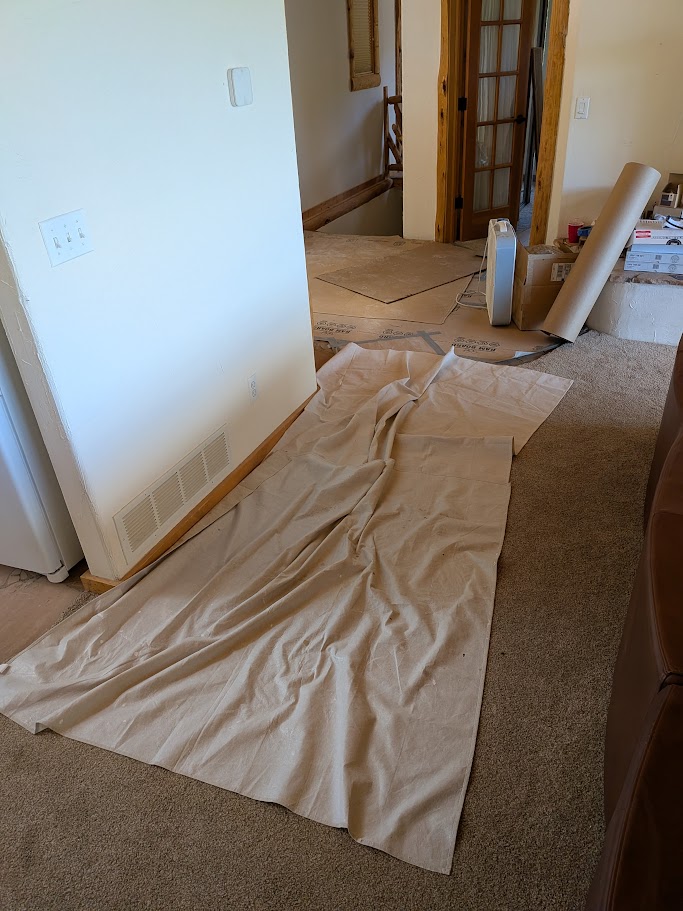
Professional painters know that protecting surfaces is just as much about avoiding paint as it is about maintaining client trust and preventing costly damage claims. The right painters tarp serves multiple functions across residential and commercial jobs, from shielding hardwood floors to creating barriers against dust and debris.
Understanding where and how to deploy drop cloths maximizes both protection and efficiency on every project.
- Protecting Floors During Interior Painting
Floors represent the most vulnerable surface during any interior painting project, whether hardwood, tile, or carpet. A heavy duty drop cloth creates a reliable barrier against drips and spills, ensuring surfaces remain pristine while painters work efficiently overhead. - Covering Furniture and Fixtures
When furniture can’t be removed from the work area, proper coverage prevents accidental paint damage to valuable items. Draping tarps over couches, tables, and built-in fixtures keeps these pieces clean while allowing painters access to walls and ceilings without constant worry. - Safeguarding Exterior Surfaces
Outdoor painting projects require protection for decks, patios, driveways, and walkways that can be permanently stained by paint. Durable tarps designed for exterior use withstand weather conditions while catching overspray and preventing damage to concrete and stone surfaces. - Lining Work Areas for Spray Painting
Spray painting creates fine mist that travels beyond immediate work zones, making comprehensive surface protection essential. Placing drop cloths around the entire painting area contains overspray effectively, protecting floors and adjacent surfaces from unintended coverage. - Temporary Dust and Debris Barriers
Renovation and paint prep work generate dust that spreads throughout homes and commercial spaces quickly. Hanging tarps as temporary barriers isolates work zones, keeping debris contained and ensuring clean areas remain accessible to occupants during the job. - Protecting Landscaping During Exterior Paint Prep
Pressure washing, scraping, and exterior prep work can damage plants, grass, and garden beds surrounding buildings. Strategically placed tarps shield landscaping from falling paint chips, chemical cleaners, and heavy foot traffic during preparation phases. - Reusable Surface Protection for Contractors
Contractors managing multiple projects need drop cloth materials that perform reliably across numerous job sites. Tarps that can be reused multiple times reduce per-project costs while maintaining consistent protection standards, making them ideal for professional painters building long-term efficiency.
Paint Like a Pro: 5 Hacks To Get the Most Coverage (& Least Spills) From Your Tarp
Professional painters understand that proper drop cloth deployment is just as important as selecting quality materials. Even the best painter’s tarp won’t protect surfaces effectively if it shifts, bunches, or leaves gaps during your project.
These practical strategies help you maximize coverage while minimizing the frustration of paint spills and wasted time on preventable cleanup.
- Anchor the edges to prevent shifting.
Unsecured tarps create hazardous working conditions and leave floors vulnerable as painters move around the job site. Use painter’s tape, weights, or furniture placement along edges to keep your drop cloth firmly in place, ensuring consistent protection throughout the entire painting project.
Renegade’s tarps also include welded grommets for a secure hold if you need to tie it down.
- Fold the tarp for thicker protection under high-risk areas.
Folding your tarp to increase its thickness can prevent large paint spills from permeating through it. However, a Renegade tarp is designed with the durability and thickness to prevent this by default, no additional folding necessary.
- Drape furniture instead of pushing it out of the room.
Moving heavy furniture wastes energy and risks damaging both the pieces and your floors during transport. Covering items in place with lightweight tarps provides adequate protection while keeping furniture accessible if you need to shift pieces slightly for better wall access during the job.
- Shake or wipe between coats to avoid dried debris.
Dried paint drips, dust, and debris accumulate on drop cloths during painting and can transfer onto fresh surfaces if left unaddressed. Taking a moment to shake out or wipe down your tarp between coats prevents these particles from sticking to brushes, rollers, or wet paint, ensuring a cleaner finish.
- Position tarps before moving ladders to avoid repositioning.
Planning your drop cloth placement strategically before beginning work saves time and prevents gaps in coverage. Layout tarps to accommodate ladder positions and traffic patterns throughout the entire job, eliminating the need to constantly shift protection as you move around the space.
6 Superior Paint Tarp Sizes To Protect Your Next Project
Selecting the right size painter’s tarp ensures complete coverage without excess material bunching underfoot or leaving vulnerable gaps. Different projects demand different dimensions, from compact spaces requiring nimble protection to large commercial jobs needing expansive coverage.
These contractor-grade options provide durable, reusable protection tailored to your specific painting needs.
Perfect for kids’ art projects, small touch-up jobs, or protecting countertops during cabinet painting, the mini tarp delivers focused protection without overwhelming tight spaces. This compact size is ideal for homeowners tackling quick repairs or parents setting up creative painting activities where full room coverage isn’t necessary but surface protection remains essential.
This size handles bathrooms, small bedrooms, and hallways with ease, providing complete floor coverage in compact residential spaces. Professional painters appreciate how this tarp fits neatly in tighter areas while still offering the heavy duty protection needed for professional-quality work without excess material creating tripping hazards.
Standard bedrooms and modest living spaces find their match with this versatile mid-size option that balances coverage and maneuverability. The dimensions accommodate most residential rooms comfortably, making it an ideal choice for painters managing typical home interiors where furniture can be pushed to room centers.
Larger living rooms, master bedrooms, and open dining areas require this expanded coverage to protect floors completely during painting projects. This size ensures professional painters can work confidently across spacious residential rooms, providing generous protection that extends beyond immediate work zones to catch unexpected drips and overspray.
The square dimensions make this tarp particularly effective for centered furniture groupings and symmetrical room layouts common in modern homes. Its balanced proportions simplify positioning and create uniform coverage, while the durable construction ensures it withstands repeated use across multiple job sites and project types.
Commercial spaces, great rooms, and large-scale residential projects demand this maximum coverage option designed for professional contractors tackling expansive areas. This heavy duty tarp handles open-concept layouts, retail spaces, and multi-room projects where continuous protection across significant square footage is essential for efficient, mess-free painting.
Contain Your Paint & Clean With Ease with These 4 Quick Tips
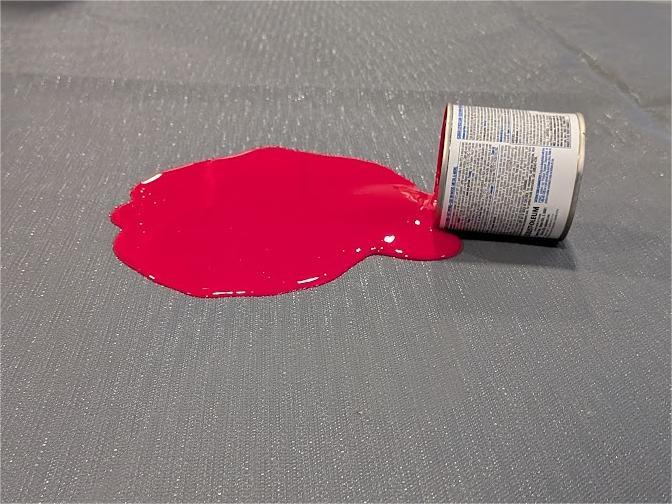
Smart cleanup strategies separate efficient painters from those who waste valuable time battling stubborn messes after every job. The right approach to managing paint spills and maintaining your drop cloth ensures you’re ready for the next project without extensive scrubbing or replacement costs.
These practical tips help you work cleaner and extend the life of your painter’s tarp investment.
- Place paint trays on a doubled section of the tarp.
Traditional drop cloth materials benefit from extra protection under paint trays where spills concentrate during roller loading. However, high-quality tarps such as Renegade’s that are built for durability provide sufficient protection without doubling, allowing painters to work confidently knowing a single layer handles even heavy paint applications. - Rinse or wipe the tarp immediately after finishing.
Fresh paint removes far more easily than dried spills, making prompt cleanup essential for maintaining reusable drop cloths. Quality tarps designed for professional use can be washed off with soap and water for latex paints, though oil-based paints require solvents, addressing spills quickly ensures your tarp stays in working condition for multiple projects. - Let the tarp dry fully before folding.
Moisture trapped in folded tarps promotes mildew growth and creates unpleasant odors that transfer to clean job sites. Hanging or laying your drop cloth flat until completely dry maintains the material’s integrity and ensures it’s ready to provide fresh, reliable protection on your next painting job. - Store tarps properly between jobs to maximize lifespan.
Haphazard storage leads to tears, permanent creases, and damaged tarps that fail to protect surfaces effectively. Fold clean, dry drop cloths neatly and store them in a designated area away from sharp tools and heavy items, ensuring they remain in ideal condition and ready for immediate deployment on your next project.
6 Painter’s Tarp FAQs: Everything You Need to Know Before You Purchase
Choosing the right drop cloth for your painting projects requires understanding how different materials perform under real-world conditions. Professional painters and DIY enthusiasts alike need reliable answers before making an investment that will impact multiple jobs.
These frequently asked questions address the most common concerns about painters tarp performance, durability, and practical use across various project types.
- Can a polypropylene painters tarp (drop cloth) be reused multiple times?
Yes, polypropylene drop cloths are specifically designed for repeated use across numerous painting projects. Unlike disposable plastic sheeting or paper alternatives, quality polypropylene tarps maintain their protective qualities through dozens of jobs, making them an ideal long-term investment for both professional painters and homeowners tackling multiple projects.
- Is a coated polypropylene tarp safe to use on hardwood floors and delicate surfaces?
Polypropylene tarps are safe for hardwood, tile, laminate, and other delicate surfaces when used properly. The material won’t scratch floors or leave residue, and its non-absorbent nature prevents moisture from seeping through to damage wood finishes underneath, ensuring your surfaces remain pristine throughout the painting process.
- How do I clean or wash a polypropylene painter’s tarp after a project?
Cleaning polypropylene tarps is straightforward: simply wipe away fresh latex paint spills with a damp cloth, or rinse the entire tarp with a garden hose and mild soap for thorough cleaning. The material dries quickly compared to canvas alternatives, though oil-based paints require appropriate solvents for removal before the paint fully cures.
- Will a polypropylene drop cloth stay in place, or does it slide on smooth floors?
While polypropylene is lighter than canvas, quality tarps typically have enough weight and surface texture to stay reasonably secure on most floors. For added stability on particularly smooth surfaces like polished tile, use painter’s tape along edges or position furniture strategically to anchor the drop cloth in place during work.
- Can I use one tarp for both interior and exterior painting projects?
Durable polypropylene tarps work effectively for both interior and exterior applications, providing versatile protection across all your painting projects. The material withstands outdoor conditions while remaining light enough for easy indoor maneuvering, eliminating the need to purchase separate drop cloths for different job types and saving money over time.
- How long does a high-quality polypropylene painter’s tarp typically last?
With proper care and cleaning, a well-made polypropylene tarp can last through years of regular use and dozens of painting projects. The longevity depends on usage frequency and maintenance habits, but professional-grade options designed for durability consistently outperform cheaper alternatives, maintaining their protective capabilities far longer than single-use materials or lower-quality synthetic options.
Plus, Renegade’s tarps are fully recyclable through their take back program, contributing to a circular economy.
Sick of Flimsy Tarps that Don’t Last? It’s Time for a Better Option
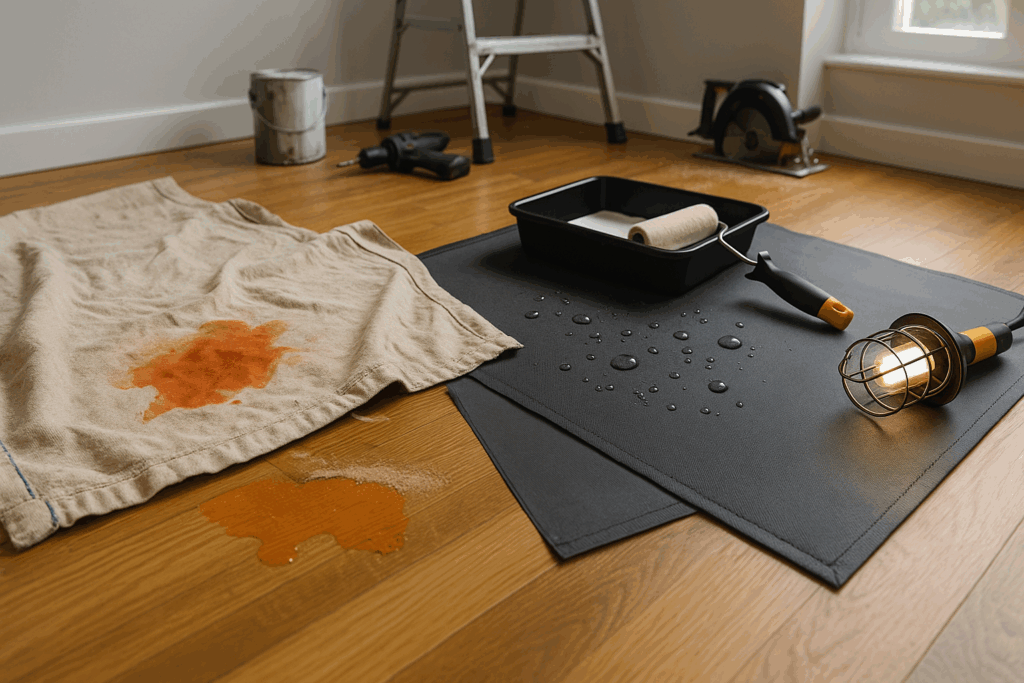
Our tarps:
- Withstand the rigors of daily use across multiple job sites
- Clean up effortlessly with resistance to stronger cleaning chemicals
- Maintain their protective qualities through countless projects
- Are produced with eco-friendly practices that reduce waste in an industry drowning in single-use plastics.
Whether you’re protecting hardwood floors during interior work or safeguarding landscaping during exterior jobs, these tarps deliver the heavy duty performance you need without the weight, hassle, or environmental guilt.
Make the switch and shop with Renegade to find a drop cloth that works as hard as you do. Discover why professional painters are choosing smarter, more sustainable protection for every project.


Interested in Our Fabrics?
Contact Us