
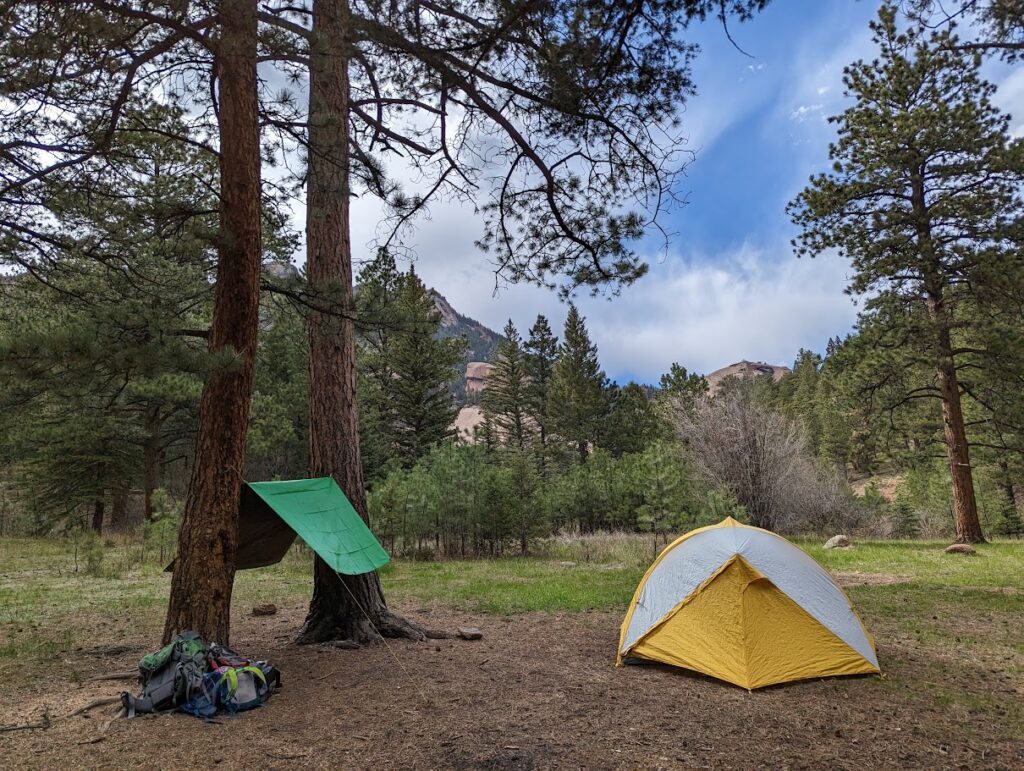
When the weather turns unpredictable, a well-built tarp can provide shelter and become one of the most dependable pieces of gear you can bring to any campsite. Unlike a traditional tent, a tarp gives you open airflow, wider shade coverage, and the flexibility to adapt your setup to the conditions.
With the right ridgeline and anchor points in place, you can create a stable, secure shelter that keeps you dry without trapping humidity. It’s a simple structure, but when constructed with the right materials, it delivers reliable protection from the elements while remaining lightweight enough for backpacking, day hikes, or quick weekend trips.
What sets a superior camping tarp apart is the way it balances comfort and function. A quality tarp can be pitched high for maximum ventilation on warm afternoons or angled low against the wind when storms roll in.
And when your tarp is made from cleaner, more responsible materials, like Renegade Plastics’ recyclable polypropylene, you get the added benefit of reduced environmental impact without sacrificing durability. Pack it into its stuff sack, tie it off between trees or trekking poles, and enjoy a shelter that helps you stay warm, stay dry, and stay comfortable no matter what nature has in store.
Here Are 12 Ways the Right Camping Tarp Can Keep Your Outdoor Space Cozy, Clean, & Safe
The right tarp shelter transforms your outdoor space into a cleaner, cozier, and safer environment no matter where your trip takes you. A properly reinforced tarp creates dependable shade during summer heat, channels rain away from your campsite, and shields your gear from debris, falling leaves, and shifting wind.
With secure anchor points and a well-tensioned ridgeline, it becomes a functional buffer against the elements, enhancing your experience in several key ways:
- Reduces Wear on Your Tent: By taking the brunt of rain, UV, and debris, your tarp extends the life of your tent fabric, especially for long-term or basecamp setups.
- Keeps You Dry When Storms Roll In: A properly pitched rainfly keeps rain off your tent, gear, and cooking area, preventing leaks, soggy clothes, and damp sleeping bags that ruin a trip.
- Shields You From Harsh Sunlight: In summer heat, a tarp creates essential shade so you can relax, cook, or nap without baking in direct sun. UV-resistant materials protect both you and your gear.
- Blocks Wind Chill on Cold Nights: A low-pitched or lean-to tarp setup can act as a windbreak, keeping cold air from cutting through your campsite.
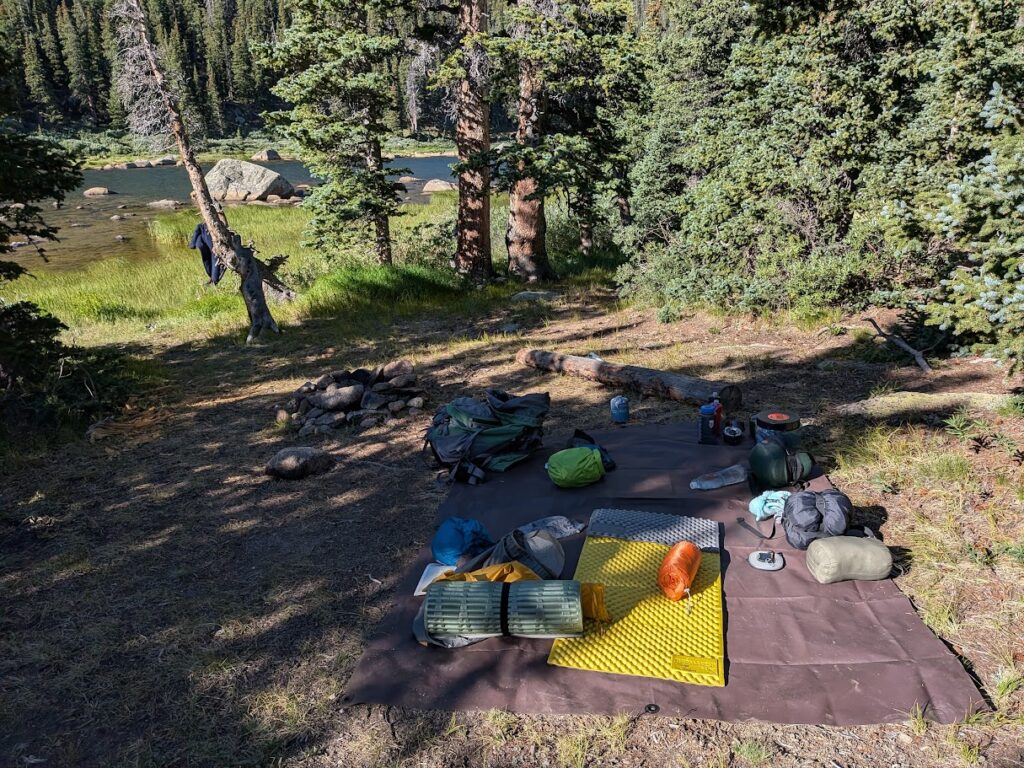
- Prevents Mud and Ground Moisture: Using a tarp as a groundsheet gives you a dry space to organize gear or helps keep your sleeping area clean, dry, and free from mud or condensation rising from wet soil.
- Creates a Clean Cooking & Dining Space: Pitch a tarp over your camp kitchen or table to block falling debris, bird droppings, or rain, so meals stay clean and prep areas stay functional.
- Extends Your Living Space: A good tarp doubles your shelter area, providing room for chairs, drying clothes, or storing gear out of the weather without crowding your tent.
- Protects Gear From Overnight Dew: Even clear skies produce moisture at dawn. A tarp cover keeps your packs, boots, and firewood dry so you don’t wake up to soggy supplies.
- Offers Emergency Shelter Flexibility: If a tent zipper breaks or you need to move fast, a tarp can become a backup shelter in minutes, lightweight, portable, and adaptable to any terrain.
- Adds Privacy to Your Campsite: A side-wall tarp gives you a quick makeshift barrier for changing clothes, washing up, or setting up a portable toilet area.
- Provides a handy doormat: Smaller tarps like the Renegade Mini Tarp can serve as a dry area right before entering your tent, minimizing the awkward dance of taking shoes on and off while trying to keep your feet dry and clean.
- Extends Room to Relax: If you need a place to play cards, or just lay down outside without the hassle of a hammock, a tarp is a great alternative.
The Pros and Cons of 7 Popular Tarp Tent Materials
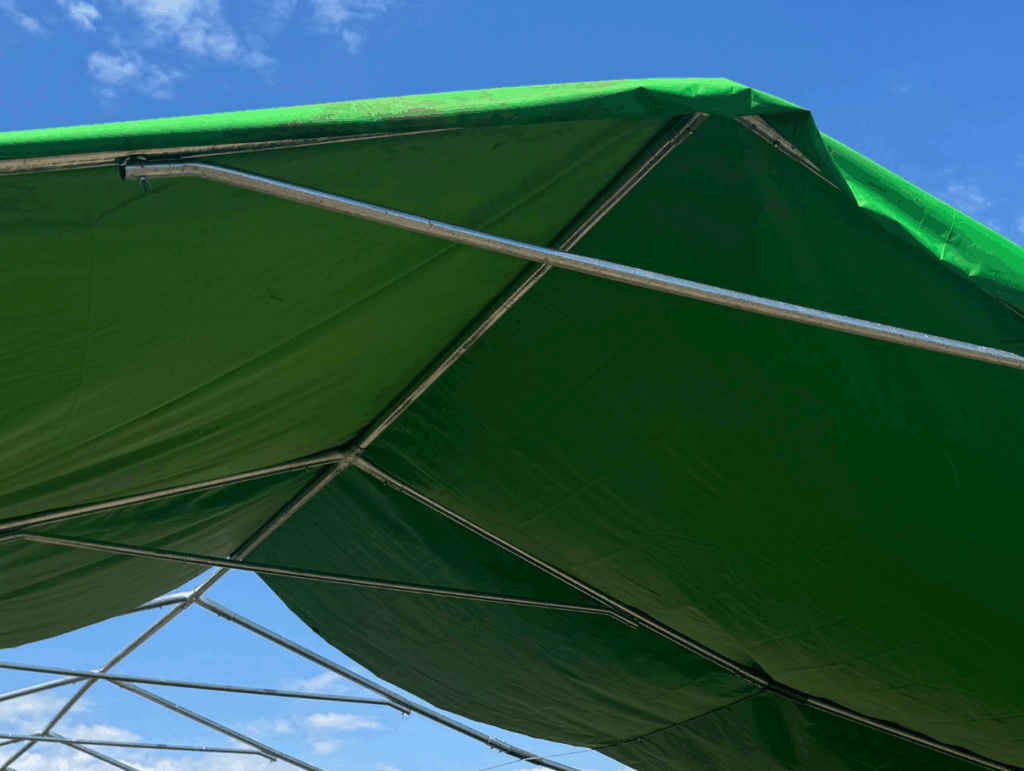
Here are some of the most common camping tarp materials you’ll encounter, and how they compare when it comes to durability, weather protection, and overall performance in the outdoors.
Understanding these differences helps you choose the right shelter based on weight, packability, weather conditions, and your preferred style of camping or backpacking.
| Material | Pros | Cons |
| Renegade Plastics’ Coated Polypropylene | Exceptionally durable; waterproof; UV-resistant; non-toxic and does not leach harmful chemicals; recyclable; designed to reduce plastic pollution compared to traditional tarp materials | Slightly stiffer than nylon-based tarps; may pack larger than ultralight fabrics |
| Polyethylene (PE) | waterproof; inexpensive; widely available; resistant to mold | Flimsy, can crack or become brittle in cold weather |
| Ripstop Nylon | Lightweight and packable; strong for its weight; fast-drying; tear-resistant | Needs silicone or PU coating for waterproofing and UV protection. Older or cheaper versions still use PFAS coatings. |
| Silnylon (Silicone-Coated Nylon) | Waterproof; flexible; durable; lighter than standard nylon tarps | Slippery to handle; less breathable; more expensive |
| Silpoly (Silicone-Coated Polyester) | Holds shape when wet; UV-resistant; waterproof | Slightly heavier than silnylon in some constructions |
| Dyneema® Composite Fabric (DCF) | Extremely lightweight; waterproof; exceptionally strong for its thickness | Very expensive; more vulnerable to abrasion than woven fabrics |
| Canvas (Cotton or Poly Blend) | quiet in wind; extremely durable | Heavy; slow to dry; can mildew if stored damp |
Most tarp materials come with significant trade-offs in cost, weight, longevity, or environmental impact. Renegade’s signature polypropylene, however, delivers exceptional durability, waterproof protection, UV stability, and non-toxic performance (all while being recyclable and engineered to reduce plastic pollution).
Use Tarp Shelter Materials That Last Longer & Can Be Recycled at End of Life
When choosing a camping shelter that’s built to last, the material matters just as much as the setup. Polyethylene has long been the standard for inexpensive tarps, but its drawbacks are clear:
- Deteriorates quickly in UV exposure
- Becomes brittle in cold weather
- Very difficult to recycle once it reaches the end of its life
Polypropylene, by contrast, offers a far stronger and more sustainable alternative. It resists UV degradation, maintains flexibility across seasons, and delivers excellent waterproof protection.
Most importantly, polypropylene can be mechanically recycled, meaning a worn-out tarp doesn’t have to end up in a landfill. Renegade builds on these advantages by creating high-quality, coated polypropylene tarps designed specifically to reduce plastic pollution, eliminate toxic additives found in traditional tarps, and extend the functional lifespan of your outdoor gear.
By choosing a shelter made from polypropylene, you’re not just getting better durability today; you’re choosing a material that supports a cleaner, more responsible outdoor future.
How To Build Your Perfect Camping Shelter in 8 Steps, No Matter the Weather
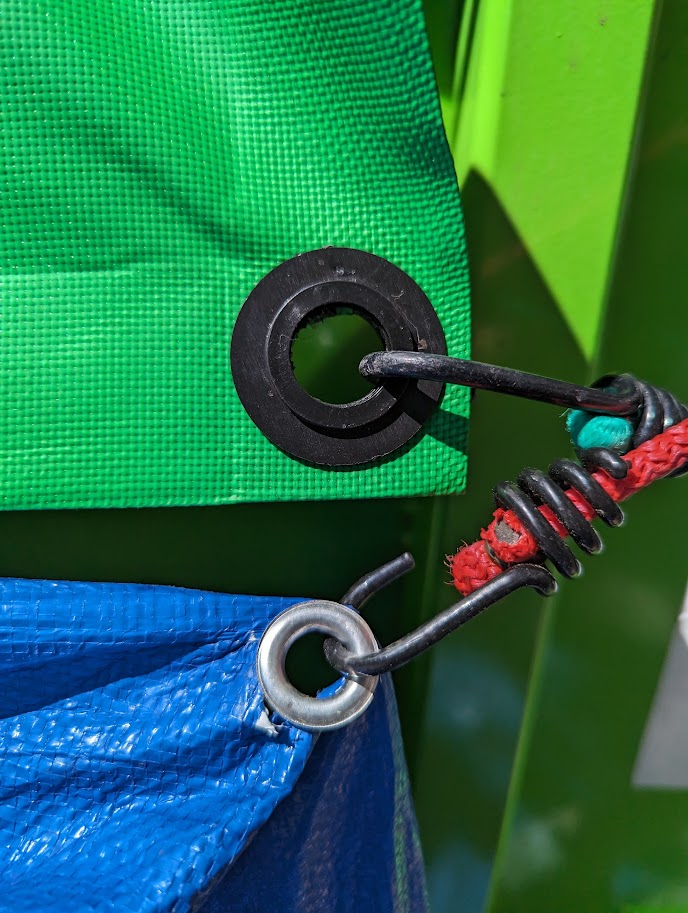
Building the perfect tarp shelter starts with a strong foundation, and Renegade’s coated polypropylene tarps make each step easier and more reliable.
Begin by establishing a ridgeline using trees, trekking poles, or a suspension line, then position the tarp so its reinforced grommets and anchor points align cleanly. Then, keep these steps in mind:
- Avoid Wind Tunnels: Use trees, rocks, or slopes for natural windbreaks where possible.
- Stay High and Dry: Avoid depressions or areas where water pools. Slight elevation helps with drainage.
- Use a Strong Tarp: Renegade’s polypropylene tarp features reinforced grommets for a greater tear strength and clamp accessibility. Thanks to the material’s high tensile strength, UV resistance, and superior waterproofing, you can pull it taut without worrying about stretching or tearing
- Lay Out a Solid Ridge Line: Run a tight ridge line between two sturdy anchor points (trees, poles, or posts). Use a trucker’s hitch or prusik knots for adjustable tension. Ensure the line is level or slightly angled to help rain run off one side.
- Anchor the Corners Securely: Use heavy-duty stakes or deadman anchors (buried sticks, rocks, or bags filled with sand/snow) depending on terrain. Keep 45° angles between guy lines and the tarp surface for best tension, then tighten lines evenly to prevent sagging or pooling water.
- Maintain Proper Pitch and Shape: For rain: create a steep pitch (A-frame or lean-to) so water sheds quickly. For wind: lower the profile and keep one side close to the ground. For shade: raise it higher and keep it taut to avoid flapping.
- Reinforce Stress Points: Add guyline tensioners or shock cords to absorb wind gusts. Reinforce grommets with small stones wrapped in the tarp (“pebble tie” method) if you’re using a tarp without grommets. Use extra cordage along the ridgeline or midpoints to reduce strain on corners.
- Inspect and Adjust: Recheck tension after 15–30 minutes as rope stretches or conditions shift. If rain starts, tighten ridgelines and corners to prevent sag. Inspect daily if staying long-term as UV and moisture can loosen fibers.
The 8 Key Ways to Extend Your Camping Tarp’s Lifespan
Extending the life of your tarp shelter comes down to a combination of smart care, mindful storage, and preventive maintenance. While a high-quality material like a polypropylene Renegade tarp naturally resists UV damage, moisture, and everyday wear, how you treat it between trips plays an equally important role in its long-term durability.
By following a few simple habits, cleaning it regularly, storing it correctly, securing it with the right hardware, and inspecting it for early signs of strain, you can dramatically increase the lifespan of your shelter. These key steps help your tarp stay waterproof, reinforced, and ready for whatever weather your next adventure brings.
- Clean Your Tarp Regularly: Remove dirt, leaves, and debris to prevent mildew, stains, and surface wear.
- Store It Properly: Keep tarps in a cool, dry place out of direct sunlight when not in use; avoid folding when damp.
- Avoid Sharp Edges and Friction Points: Use padding or corner protectors to prevent tears from rough surfaces.
- Secure It Correctly: Tension evenly and use bungee cords or ball ties instead of wire or rope that can cut into fabric.
- Protect Against UV Damage: Choose UV-resistant tarps or apply UV-protective sprays to prevent brittleness.
- Inspect for Damage Frequently: Patch small holes or frays immediately to prevent them from spreading.
- Rotate Use for Even Wear: If you use multiple tarps, alternate them to reduce wear on a single one.
- Keep Away from Chemicals and Oil: Exposure to harsh substances can break down tarps over time.
What Tarp Do You Need For Every Occasion (& Forecast)?
Choosing the right tarp isn’t just about grabbing the first one you see, it’s about understanding how weather conditions, terrain, and intended use all impact performance. A tarp that works perfectly for a quick rain barrier on a hike may fall short when covering a vehicle or creating a stable campsite shelter.
By matching the strength, size, and coverage area of your tarp to the conditions you expect to face, from light showers to extended exposure, you can dramatically improve both protection and comfort while outdoors.
In this guide, we’ve made that process simple by pairing common use cases with the most effective heavy-duty tarp dimensions. Whether you’re looking to shield a small area, cover tables and tents, protect a vehicle, or build a large camp shelter, the breakdown below gives you a clear starting point.
These recommendations help eliminate guesswork and ensure you’re equipped with a tarp that delivers reliable performance, no matter where your next task or adventure takes you.
| Usage | Tarp Style | Dimensions |
| Small-scale rain shelter | 8′ x 6′ Heavy Duty | 8’ x 6’ |
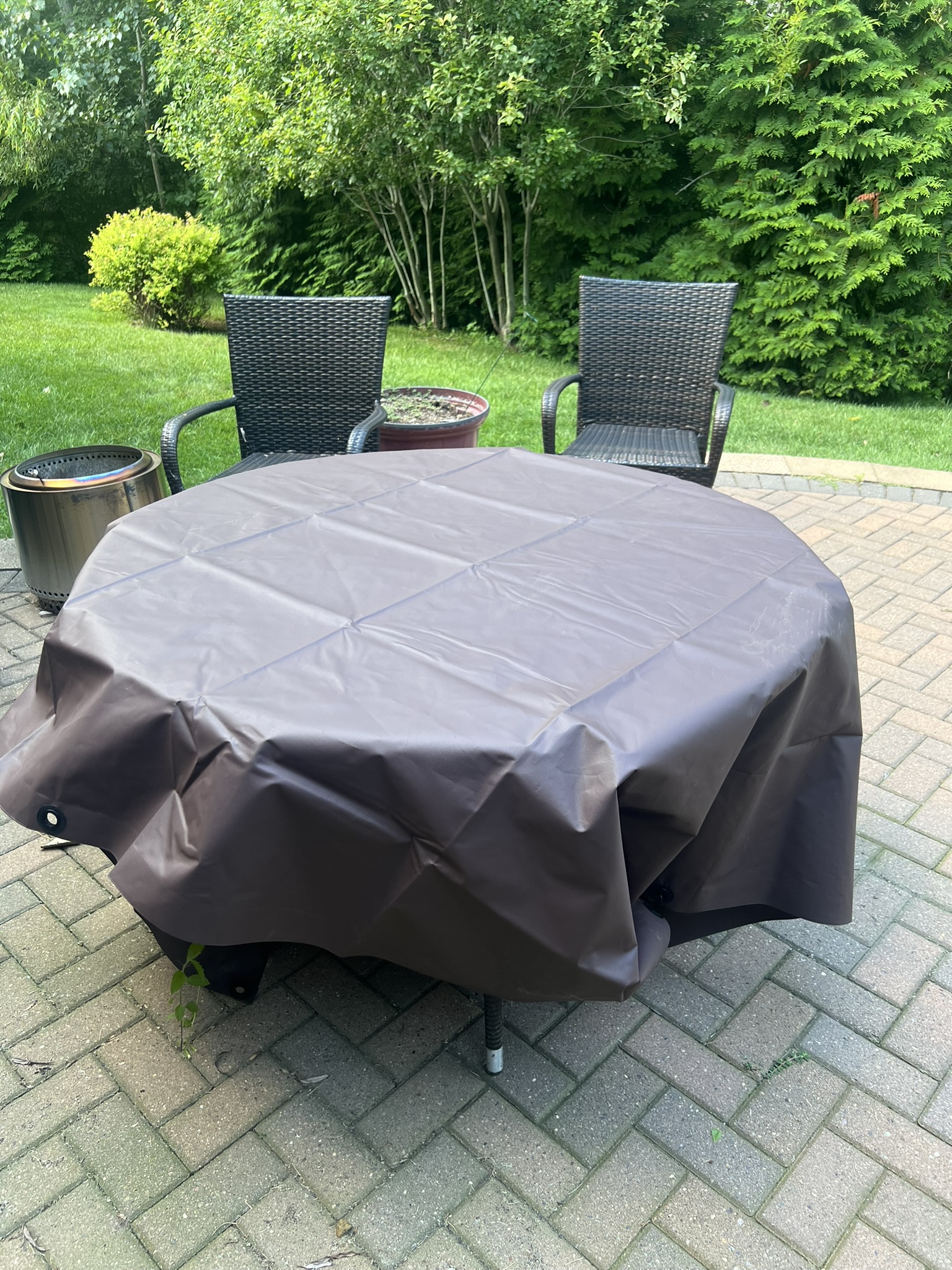
| Table and tent covers | 10′ x 8′ Heavy Duty | 10′ x 8′ |
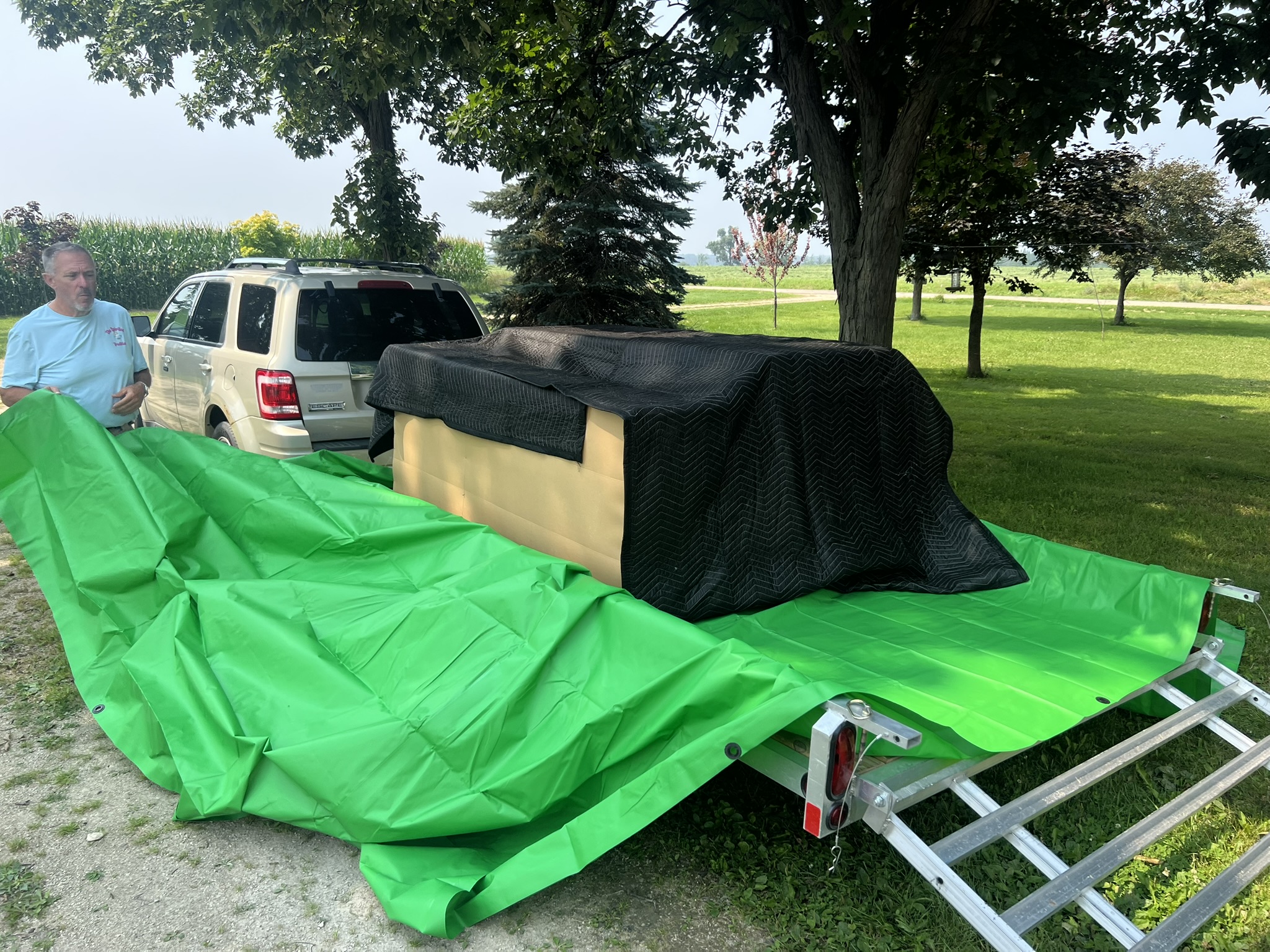
| Car protection | 12′ x 9′ Heavy Duty | 12′ x 9′ |
| Large-scale camp shelter | 20′ x 12′ Heavy Duty | 20′ x 12′ |
4 Questions To Help You Find the Right Tarp Shelter Covering
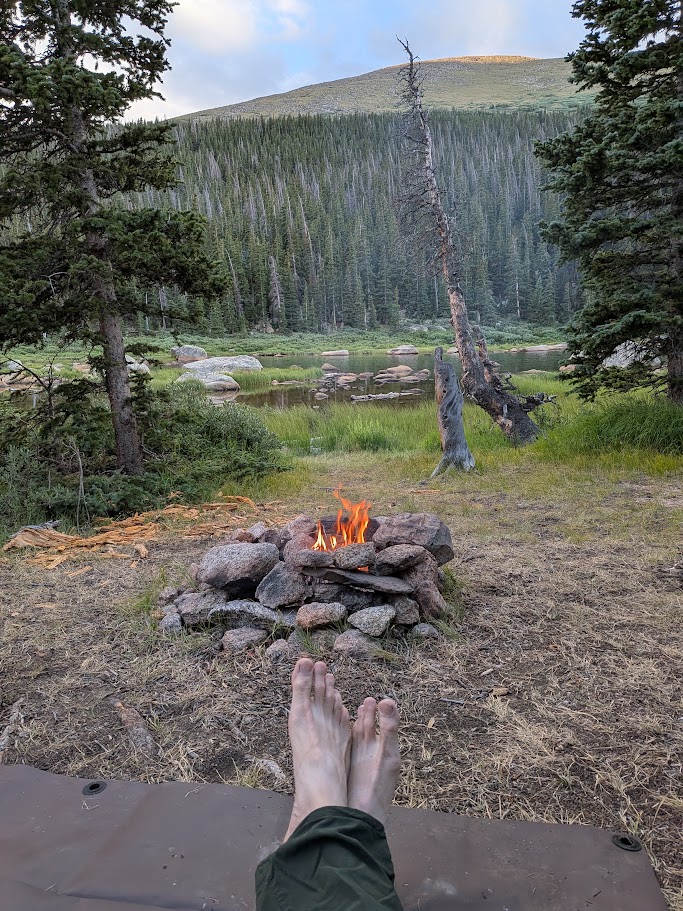
Choosing the right shelter covering starts with understanding how different materials, weights, and construction methods affect real-world performance. Whether you’re building an emergency shelter for inclement weather, setting up a long-term campsite, or packing light for a weekend hike, the best tarp is the one that balances durability, weather protection, and carry weight without adding unnecessary bulk.
- Are durable tarps still light enough to be packed for hiking trips?
Yes. Many modern tarps, especially coated polypropylene and select technical fabrics, combine high strength with surprisingly low weight, making them easy to pack for hiking and backpacking without sacrificing weather protection.
- How much waterproof protection do I actually need in heavy rain?
For consistent rain or storm-prone regions, choose a tarp with a true waterproof coating and reinforced anchor points. This ensures your setup stays dry, secure, and stable even when the weather turns severe.
- Will the tarp hold its shape in strong wind?
Look for materials with good rigidity and tear resistance. Quality grommets, reinforced edges, and durable tie-out points help maintain a taut pitch that won’t collapse or flap dangerously in sudden gusts.
- Is recyclability or environmental impact important for long-term use?
If sustainability matters, select a tarp made from recyclable materials like polypropylene rather than traditional polyethylene or PVC. Renegade tarps are specifically designed to be recyclable to minimize environmental impact while offering long-lasting performance in the field.
Find Your Perfect Tarp Once & Never Stress Finding a Durable Cover Again
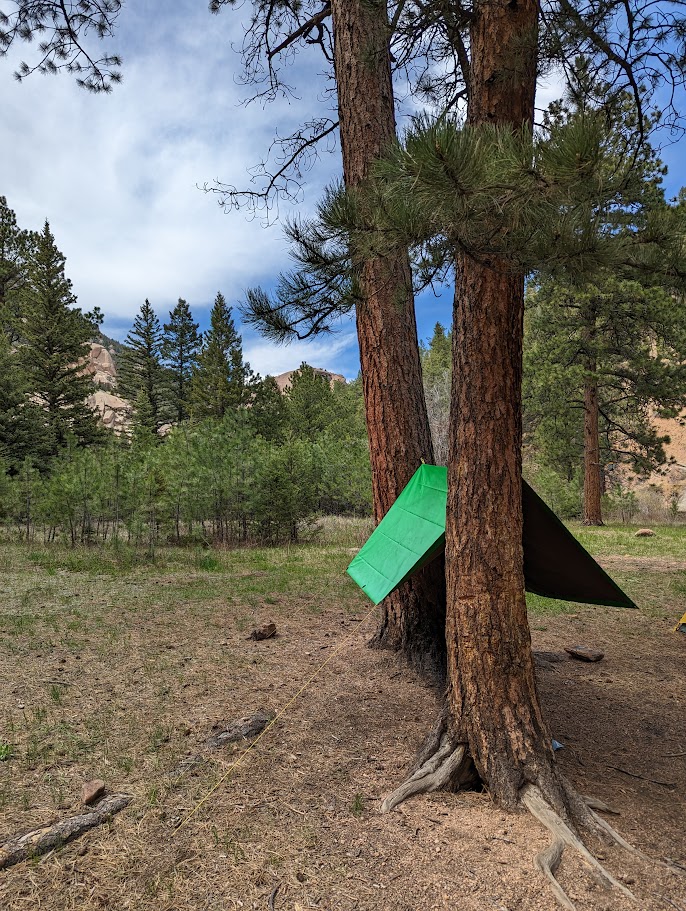
When you invest in the right camping tarp, you’re securing dependable protection for every trip, project, and unexpected weather shift ahead. A well-built tarp should give you confidence in rain, wind, and long hours of sun without constant worry about tearing, stretching, or premature breakdown.
That’s why choosing a material designed for true durability matters.
Renegade Plastics’ coated polypropylene tarps offer long-lasting strength, reinforced anchor points, and cleaner construction that stands up to the elements season after season. With the right tarp in your pack or in your truck bed, you can focus on the adventure, not the equipment.
If you’re ready to ditch throwaway covers and upgrade to something that lasts, now is the perfect time to explore Renegade’s full line of sustainable, heavy-duty tarps. Browse the store, choose the size that matches your setup, and enjoy the peace of mind that comes with a tarp shelter engineered for reliability.


Interested in Our Fabrics?
Contact Us